Law Enforcement in Turmoil: The Scandal Behind Flock Camera Misuse
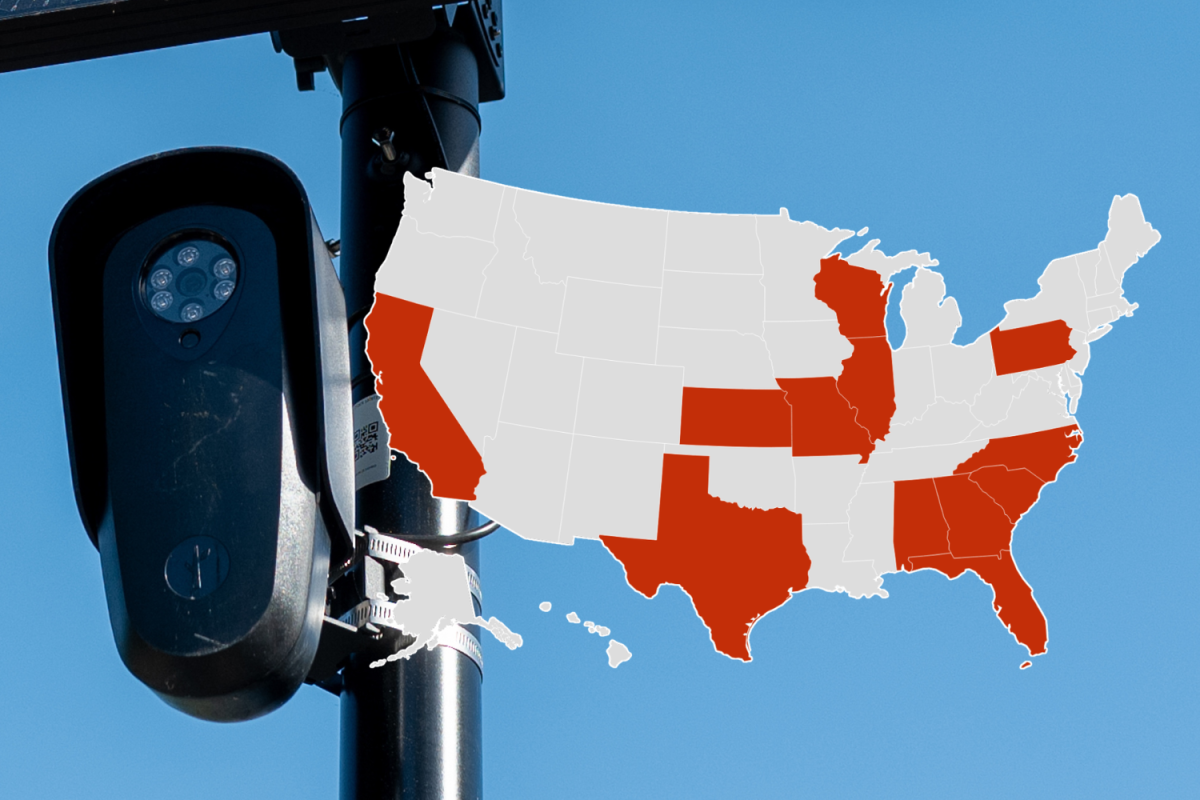
Police officers in at least 12 states have faced allegations of misusing Flock Safety license plate reader systems, according to a Newsweek review of recent criminal cases, internal investigations and disciplinary actions.
The cases span Alabama, California, Florida, Georgia, Illinois, Kansas, Missouri, North Carolina, Pennsylvania, South Carolina, Texas and Wisconsin, and include allegations that officers improperly accessed license plate data for personal purposes, including tracking romantic partners, relatives or acquaintances.
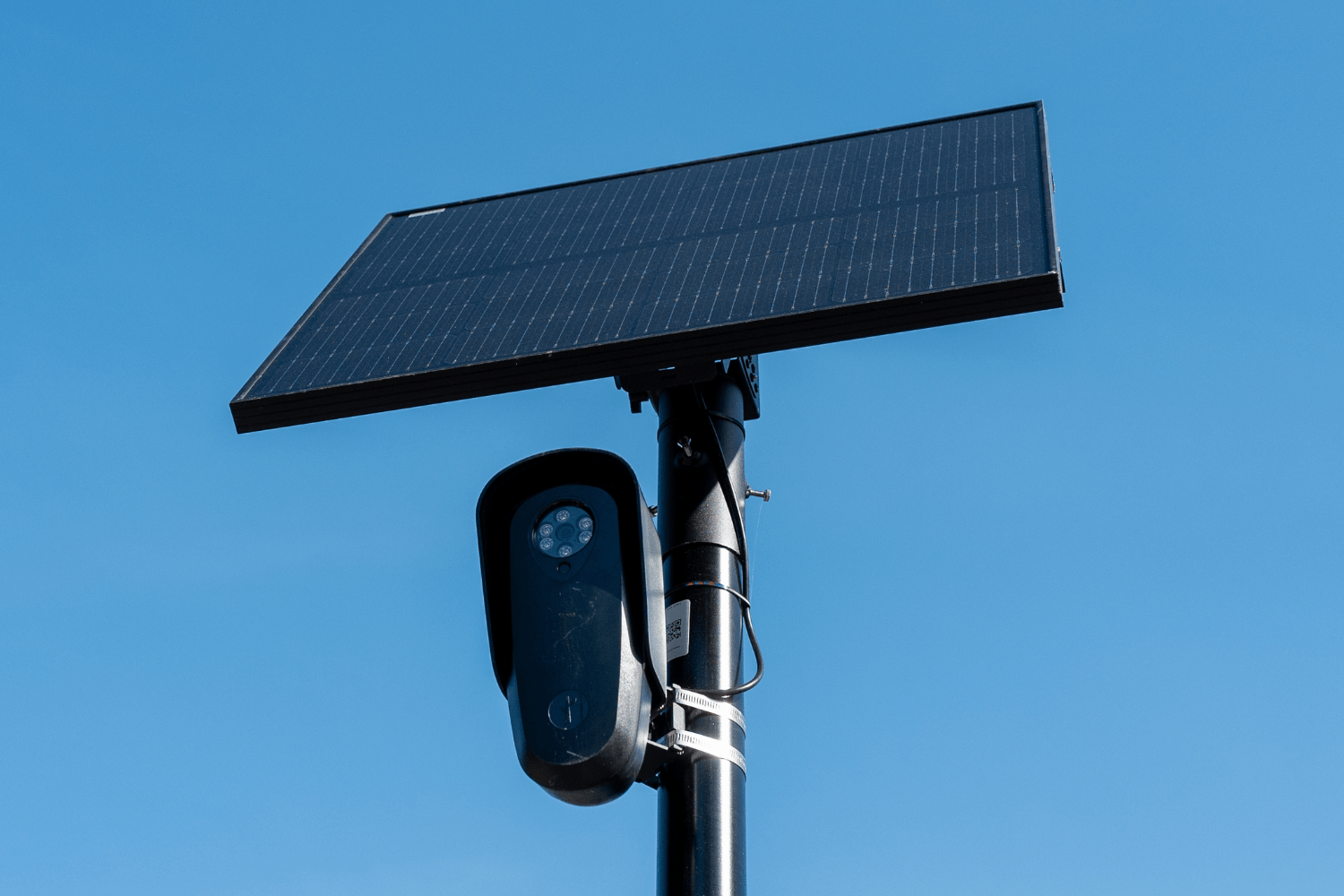
Flock Safety's automated license plate reader network continues to expand across the United States. The technology is used by thousands of law enforcement agencies to identify stolen vehicles, locate missing persons and generate investigative leads.
The allegations come amid a broader national debate over Flock Safety's rapidly expanding network of license plate reader cameras. The technology has faced growing scrutiny from lawmakers, civil liberties groups and local governments, with some communities moving to reject or remove Flock systems and several Republican lawmakers calling for tighter restrictions on their use.
Garrett Langley, Flock Safety's founder and CEO, said the recent cases were concerning but argued they also demonstrate that oversight systems are working.
"It's a disappointing story when I see it, but I also go, look, this is working," Langley said in a statement sent to Newsweek. "This is showing that if you use a tool like Flock or other tools, you should be held accountable, regardless of whether you have a badge or you don't."
Georgia Has Become a Major Flashpoint
Several of the most prominent recent cases have emerged from Georgia, where audits and internal reviews have led to a series of arrests and firings involving officers accused of improperly accessing license plate reader databases.
Authorities have announced cases involving agencies in Albany, Cherokee County, DeKalb County, Greene County and Fayetteville.
DeKalb County authorities recently announced the arrest of former Sgt. Kabiru Salawu following an investigation into alleged unauthorized use of the agency's Flock system. "The public expects and deserves integrity from every member of this agency," Sheriff Melody Maddox said after the arrest of Salawu. "The misuse of law enforcement technology or confidential information for any unauthorized purpose is a serious breach of the public's trust and will not be tolerated."
...
Cases Continue to Surface in Other States
Recent allegations have also emerged elsewhere in the country.
In North Carolina, Charlotte-Mecklenburg Police Officer Seth Elliott was arrested after investigators alleged he conducted an unauthorized license plate query using the Flock system and the state's CJLEADS database.
CMPD Chief Estella Patterson said misuse of law enforcement technology represented "a betrayal of the public's trust and a violation of everything this profession stands for." She added that anyone found to have violated that trust would be held accountable
In Alabama, separate investigations in Moody and Springville resulted in one officer being terminated and another resigning after audits found alleged violations involving license plate reader systems. Officials in both departments said the matters were referred to the Alabama Law Enforcement Agency.
Springville Police Chief Jason Mize told Newsweek that the officer in his department had used the system "for personal use on a family member" and that the family member was notified. He added that members of the department have been reminded of best practice use of Flock systems and added: "Flock cameras are a very good, useful tool for us in crime fighting. I hate to see that something like this has happened."
Other recent cases have involved a former Orange City officer in Florida accused of using the system to monitor a romantic interest, as well as a former Costa Mesa police officer, Robert Jay Josett, in California who pleaded guilty after prosecutors alleged he used Flock technology and other law enforcement databases to track a woman with whom he had a relationship.
Orange County District Attorney Todd Spitzer said the case demonstrated the risks posed when officials misuse sensitive databases. "No one should have to live in fear of being tracked through law enforcement databases by someone with a badge and a gun because they decided to call off a romantic relationship," Spitzer said following Josett's guilty plea.
In Kansas, former Kechi Police Lt. Victor Heiar was convicted after authorities said he used Flock technology to track his estranged wife. Current Police Chief Braden Moore, who was not with the department at the time, told Newsweek: "The system should have never been used in that capacity." Moore added that while the agency no longer has access to Flock systems, "Flock is an amazing tool for law enforcement to catch and track the criminal element, but I also believe that there is great responsibility for agencies that use the system."
Backlash And Risk Warnings
Civil liberties advocates argue that the recent cases raise broader concerns about access to vehicle-tracking databases, while lawmakers in several states have pushed for stricter oversight of automated license plate reader systems and the data they collect.
Representative Thomas Massie of Kentucky recently introduced legislation that would deny certain federal funding to law enforcement agencies that use Flock Safety license plate readers, arguing that mass collection of vehicle location data raises significant privacy concerns. At the state level, several Republican lawmakers have also proposed legislation aimed at limiting data retention, restricting sharing agreements or increasing transparency around license plate reader use.
Christopher Bruce, policy director for the ACLU of Georgia, said the recent Georgia cases should serve as a warning about the risks associated with such systems. "Jeopardizing your civil rights and civil liberties is never just an unfortunate event. You have constitutional rights, especially a right to privacy," he said previously.
Chad Marlow, senior policy counsel at the American Civil Liberties Union, previously told Mother Jones that location-tracking systems can expose highly sensitive information about people's lives. "The tracking of an individual vehicle, as it moves throughout an area, can reveal very deeply personal and private information, not only about the vehicle but the person operating it. That is Flock at its most dangerous," Marlow said.
Langley said the company created its Audit Assistance Tool after hearing calls for greater accountability. "We heard from customers, loud and clear. We heard from communities, loud and clear. Flock should do more. There should be more responsibility, more accountability built in," he said.
Newsweek has contacted key agencies named in this article for comment.
Contact Newsweek editors on this story: Tobias Meyjes and Emma Lee-Sang
Update 07/30/26, 10:20 a.m. ET: This story was updated with comment from Flock and additional police forces.