Chaos in Japan: What Happened Inside the Collapsed Mall?
A mall has partially collapsed leaving shoppers trapped inside after a large 7.1-magnitude earthquake struck Kumamoto in Japan on Tuesday.
Police say between 20 to 30 people are unaccounted for, according to NHK.
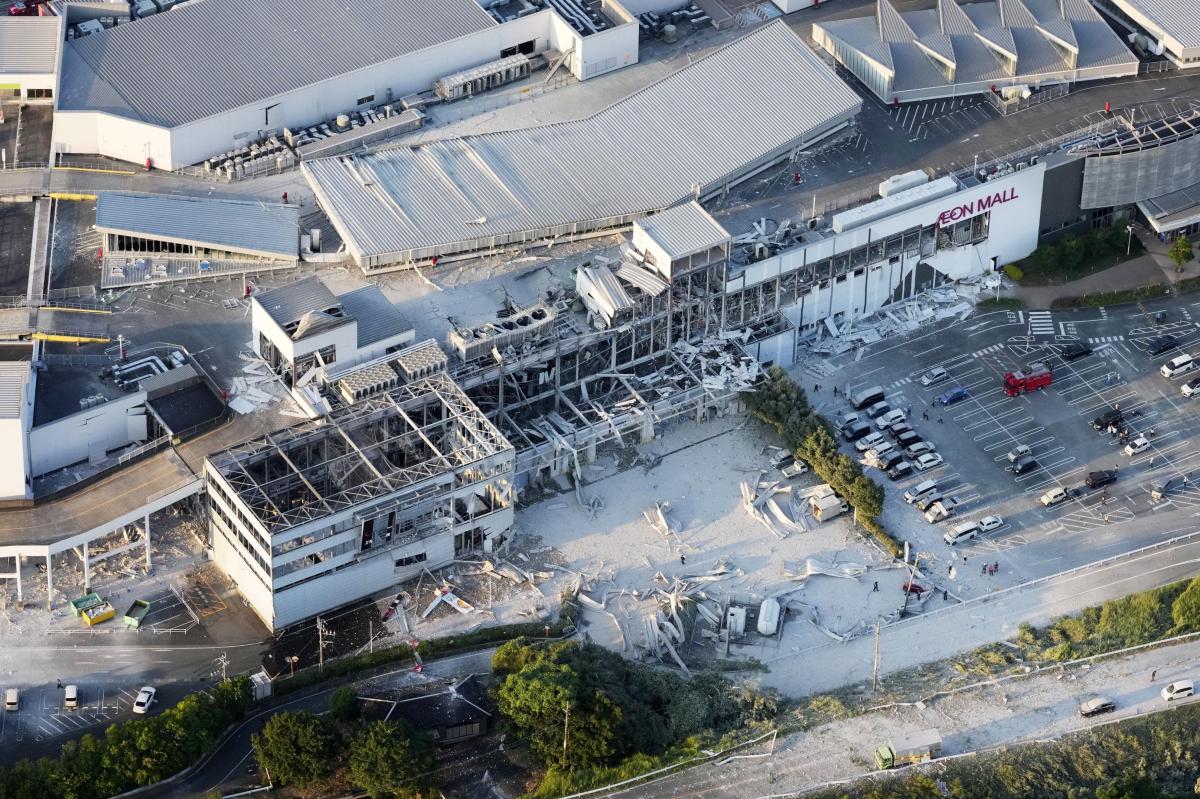
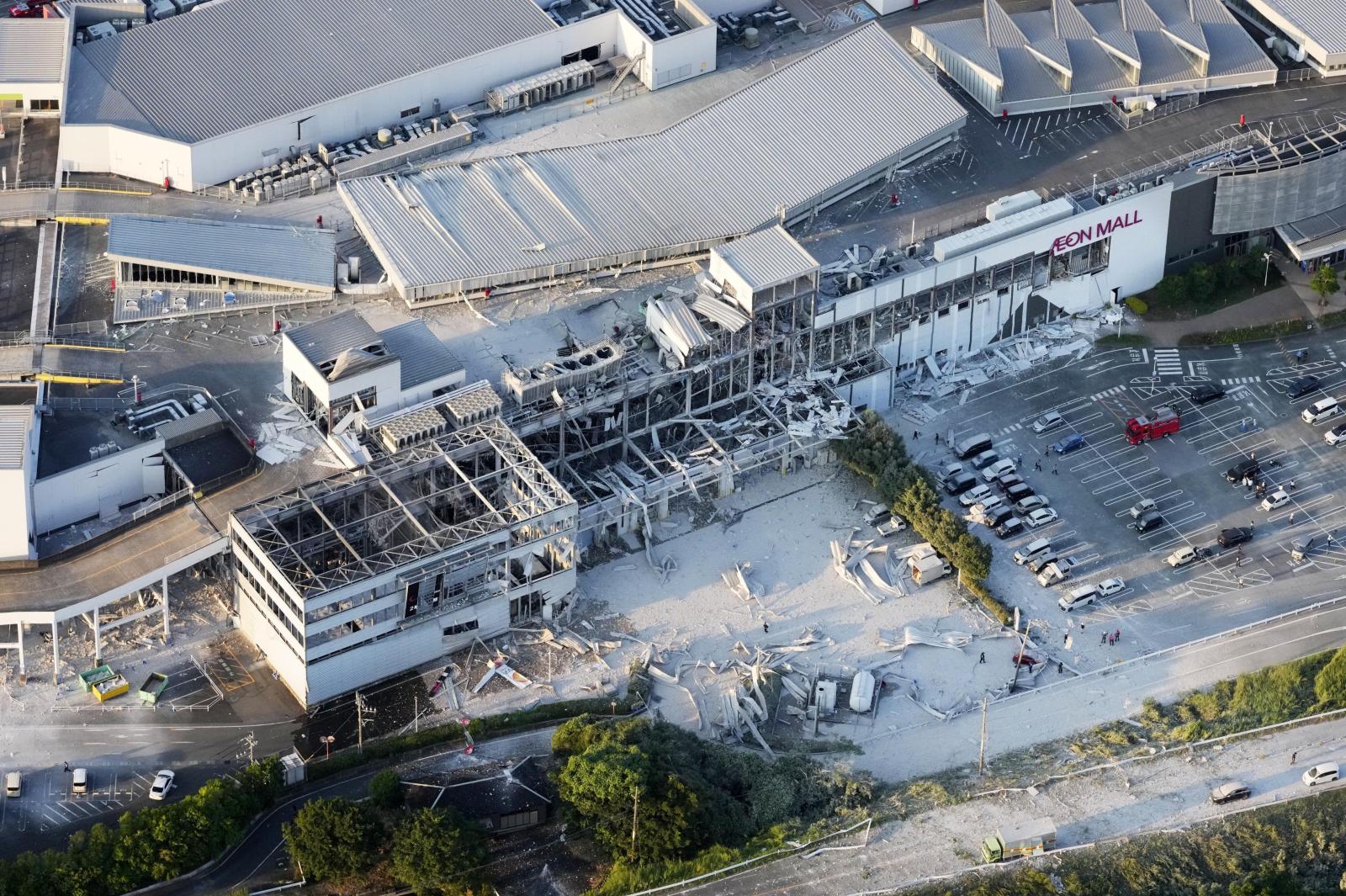
The earthquake, on Japan’s southern main island of Kyushu, hit in the afternoon and was followed by reports of an explosion at Aeon Mall Kumamoto in Kashima. Aerial photos showed the partially destroyed building, with the exterior wall no longer visible and framework exposed beneath.
Japan’s fire and disaster management agency has confirmed that the second floor of a "commercial facility" collapsed in the town, with multiple people trapped inside. Aeon told Japanese broadcaster NHK World that customers had been evacuated.
One hospital had reported more than 50 injuries, public broadcaster NHK said. Several people on a high-speed train at the time of the quake were also injured, Nikkei newspaper said.
...
Police told AFP that they were aware of reports of an explosion but provided no further information. The Kyodo News agency reported that some of the people trapped inside the mall were injured, citing fire and rescue authorities.
Japan is frequently hit by earthquakes, suffering around 1,500 a year. Two separate earthquakes in Kumamoto in 2016 left at least 275 people dead, 2,739 injured and tens of thousands of homes damaged or destroyed.
A video circulating on social media apparently filmed by someone in the mall’s parking lot in the aftermath of the earthquake shows people evacuating the building while smoke and dust can be seen around the building.
Warning After Earthquake Strikes
Japan’s Prime Minister Sanae Takaichi said on X that her government has set up a task force to gather information, assess possible damage and prepare for rescue operations if needed.
In remarks to reporters, Takaichi said the government would “spare no effort” in response measures, with the “highest priority placed on saving lives.”
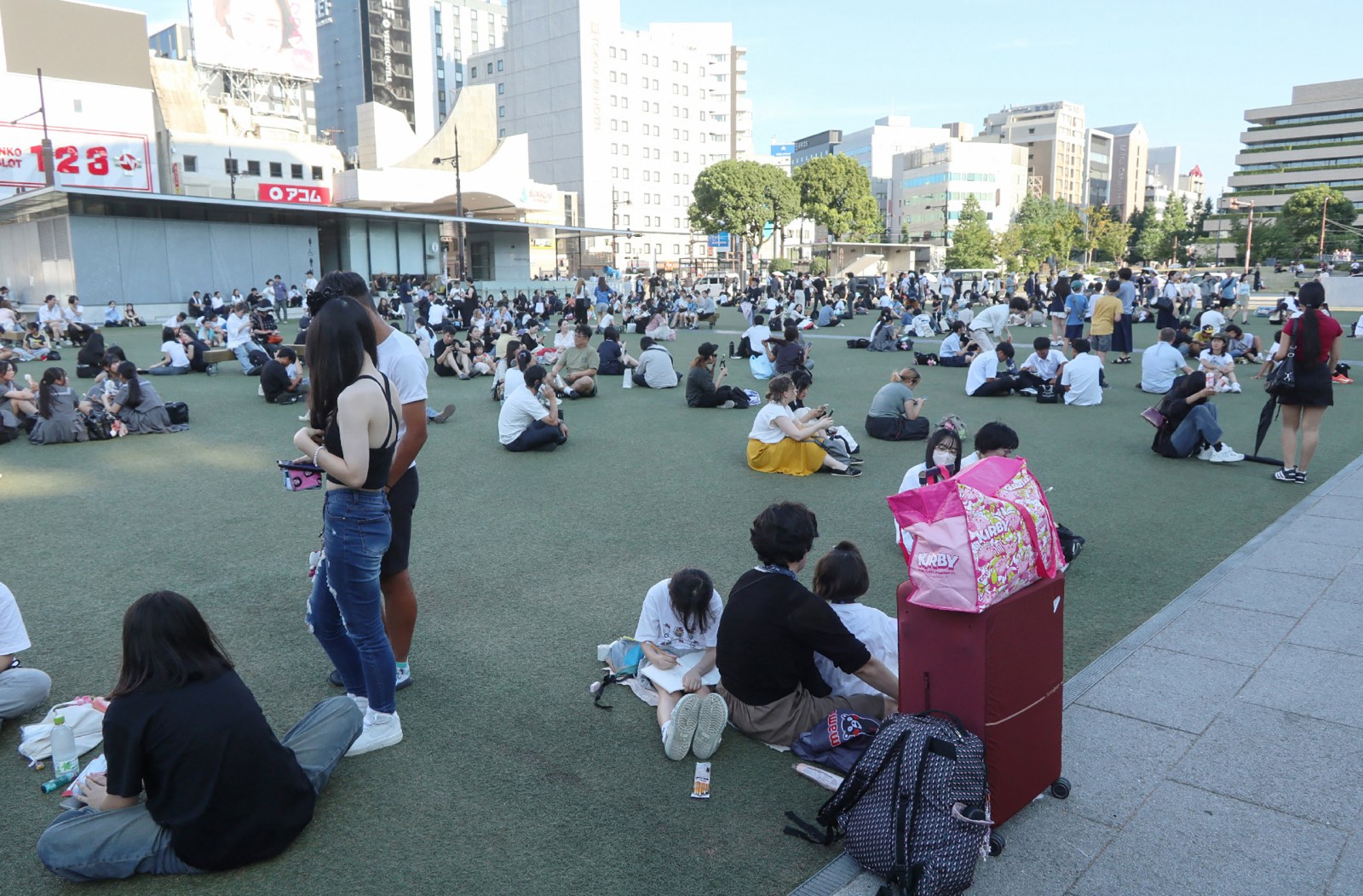
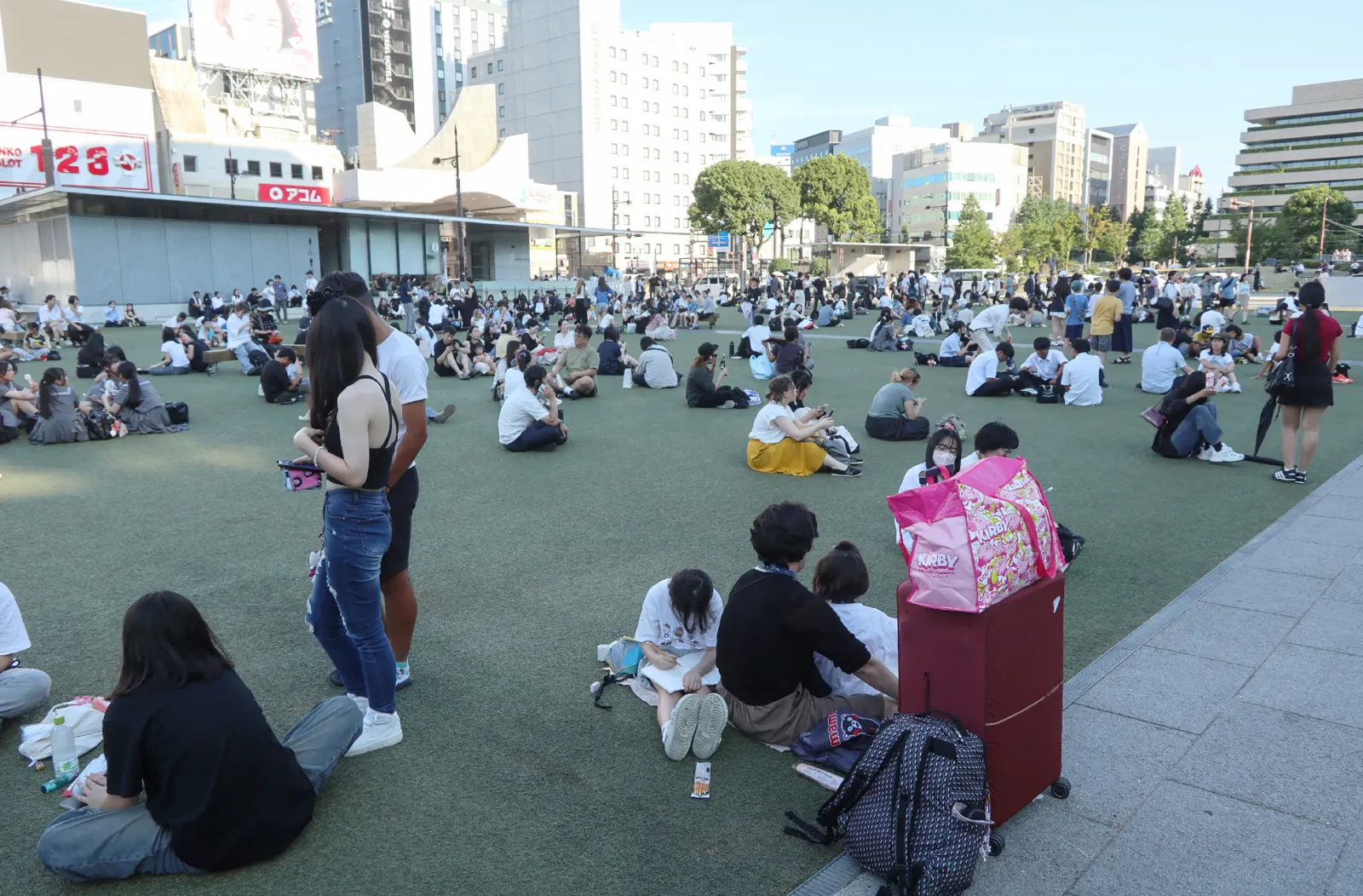
She said there have been reports of a number of injuries and damage to roads, bridges and the collapse of buildings, as well as blackouts and fires. “I urge everyone to take immediate action to protect themselves, including by evacuating to a safe location,” she said.
Takaichi also warned people to be careful using fire or cooking appliances.
She added: “In areas that experienced strong tremors, earthquakes of similar intensity may continue to occur over approximately the next week. Please remain vigilant. The Government will continue to respond with every available resource.”
A tsunami advisory was temporarily issued but was lifted within two hours, the Japan Meteorological Agency said.
The agency said the tsunami advisory had covered the nearby Ariake and Yatsushiro Seas on the western coasts of Kumamoto, Nagasaki, Fukuoka and Saga prefectures.
Japan Meteorological Agency recorded the earthquake as 7.1-magnitude but the U.S. Geological Survey later revised it to 6.8.
...
The U.N. atomic watchdog has said that the earthquake did not cause any damage or safety issues to a nuclear power plant in the region.
The International Atomic Energy Agency wrote on X that it had been informed by Japan’s Nuclear Regulation Authority that the earthquake "caused no damage or safety issues at the Sendai Nuclear Power Plant, located around 100 km from the epicenter, and that it remains in operation." The watchdog said it would "continue to monitor the situation."
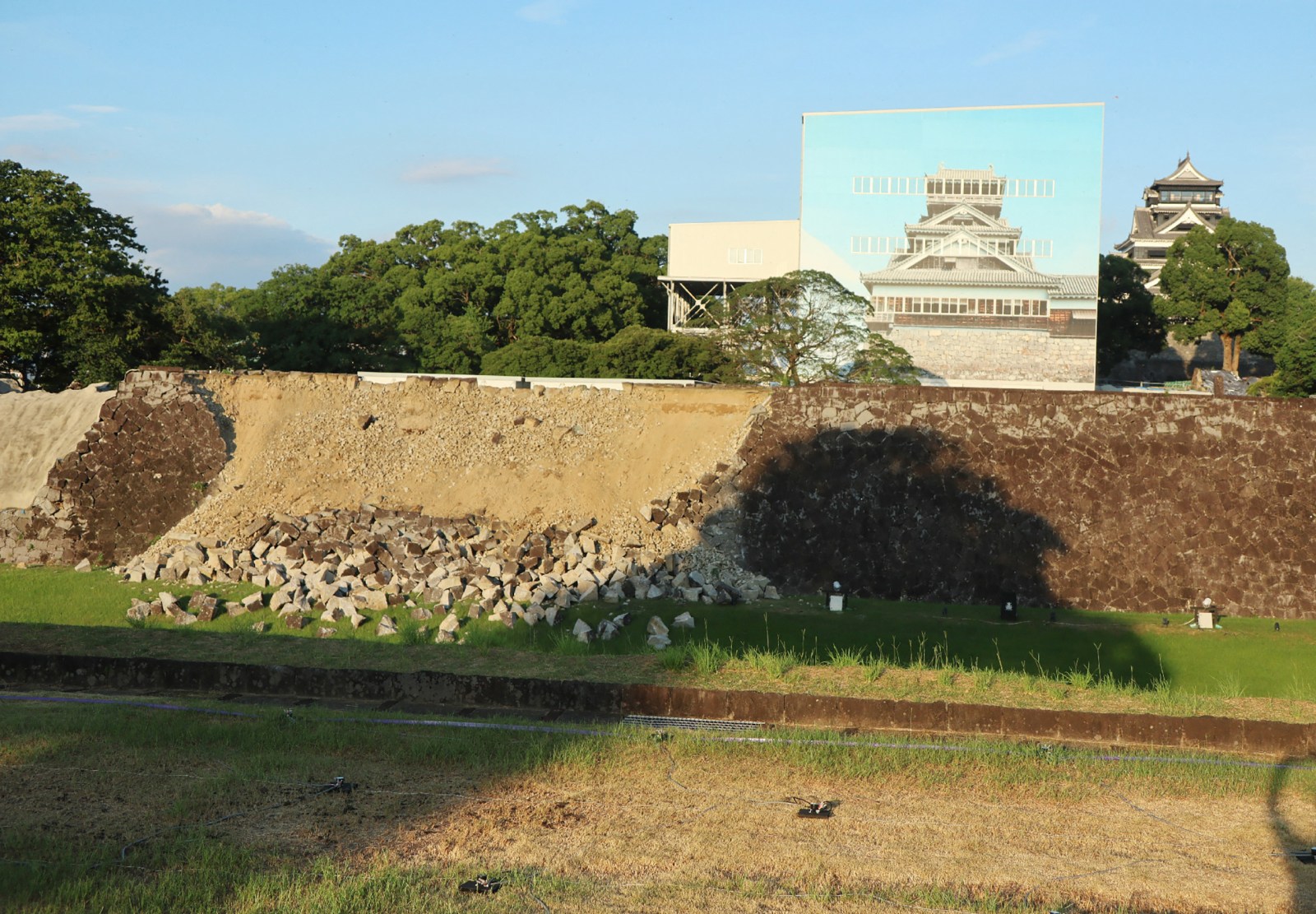
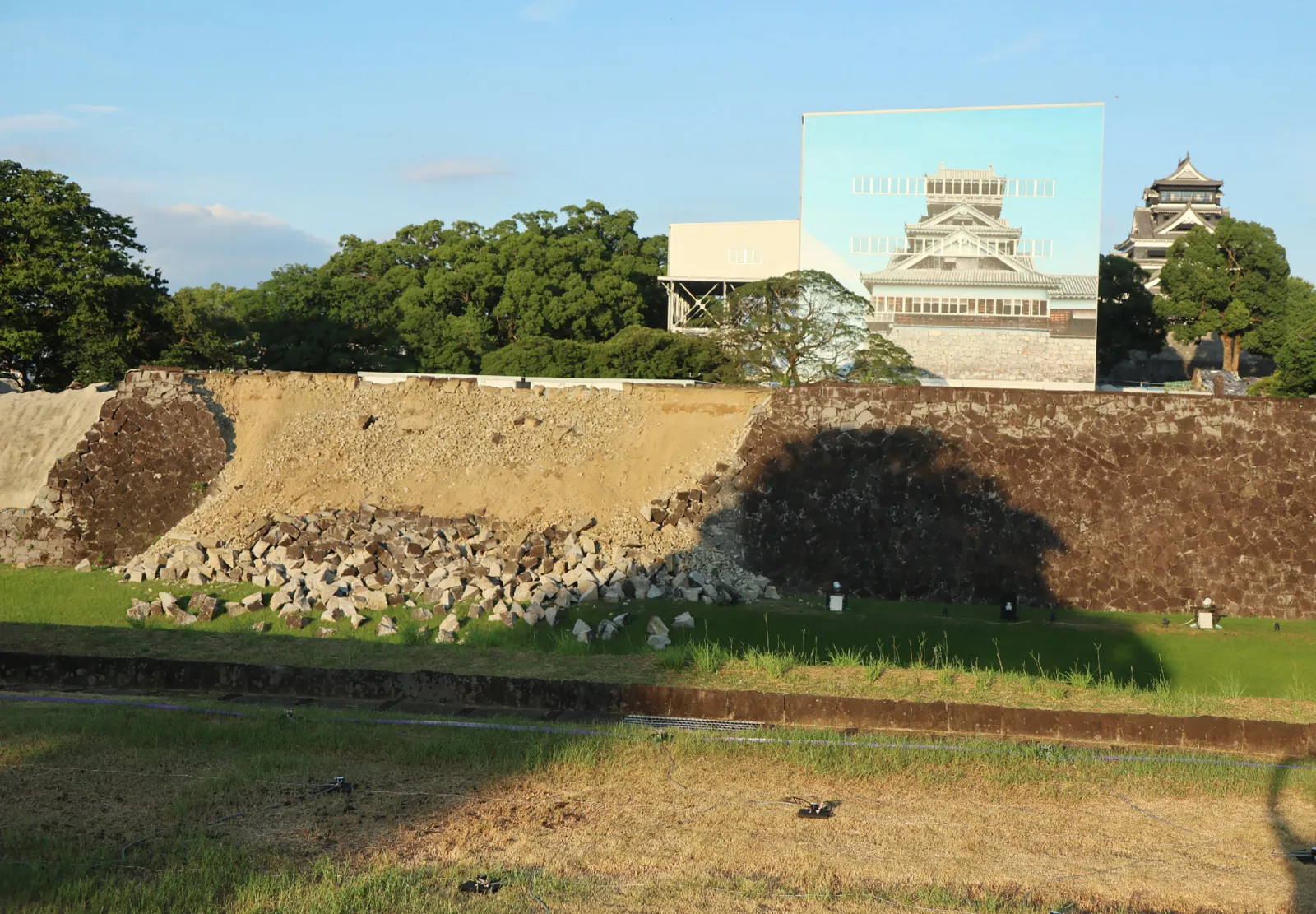
The power of the quake was illustrated by a picture showing the collapse of the walls surrounding Kumamoto Castle, which dates from 1607.
...
Contact Newsweek editors on this story: Tobias Meyjes and Trevor Davies
This is a breaking story and will be updated.