Mayor Mamdani's Bold Grocery Discount Plan Sparks Controversy
The basket of goods comes with a basket of questions.
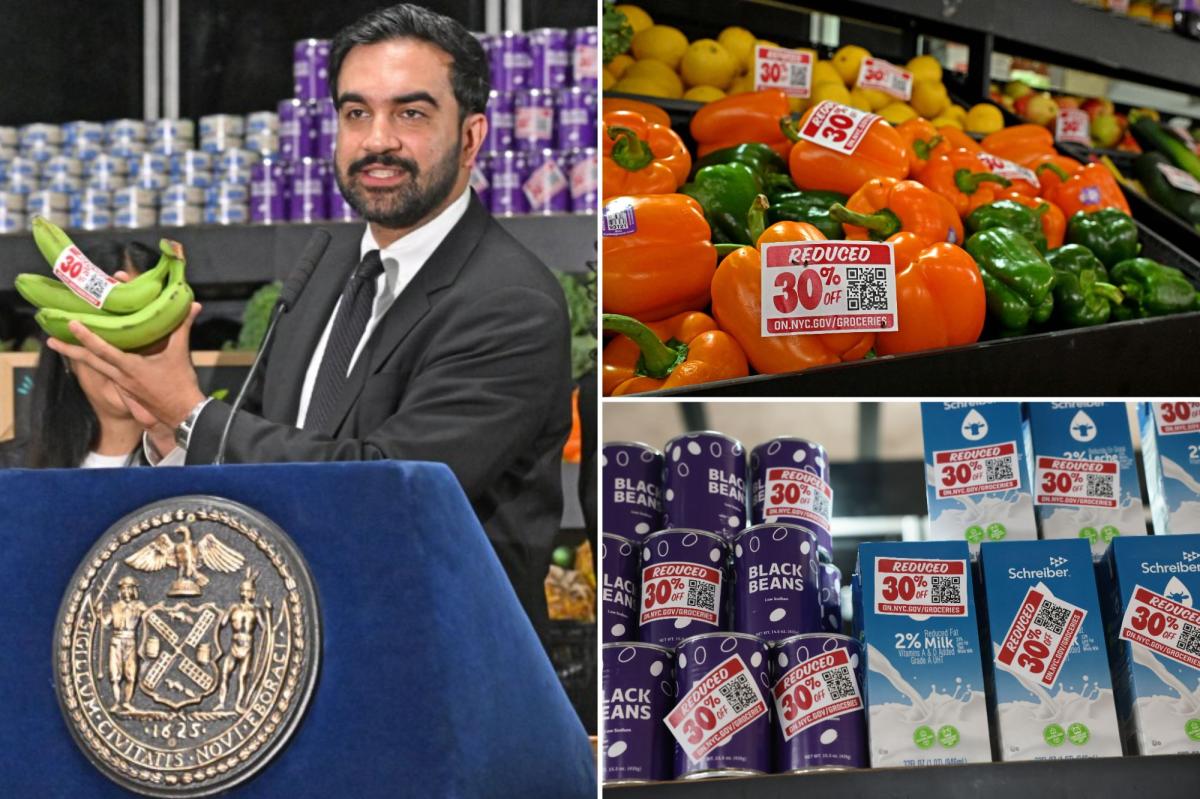
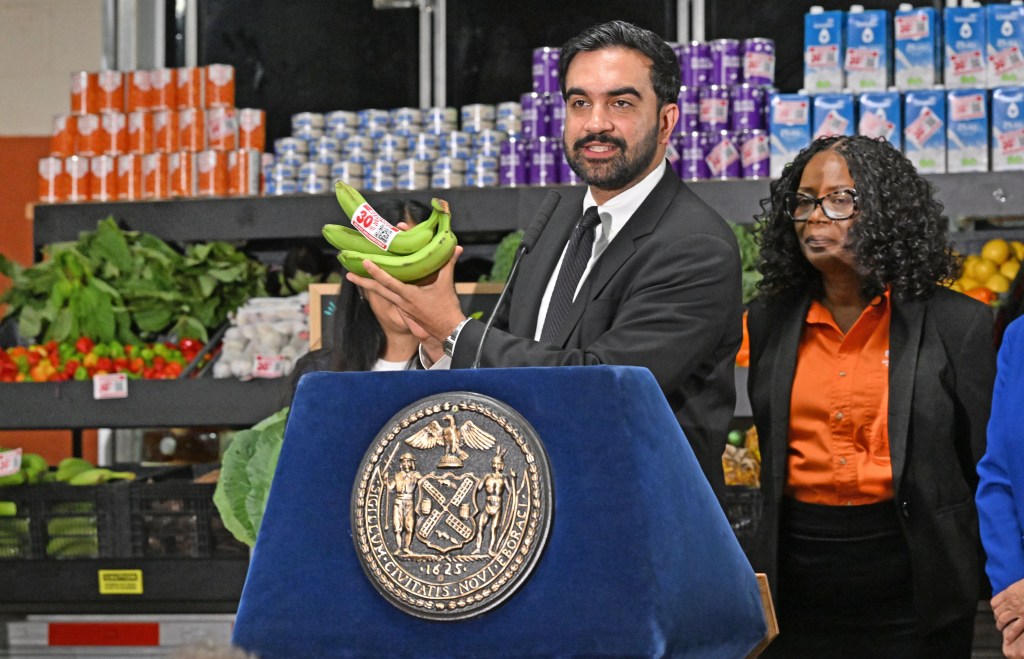
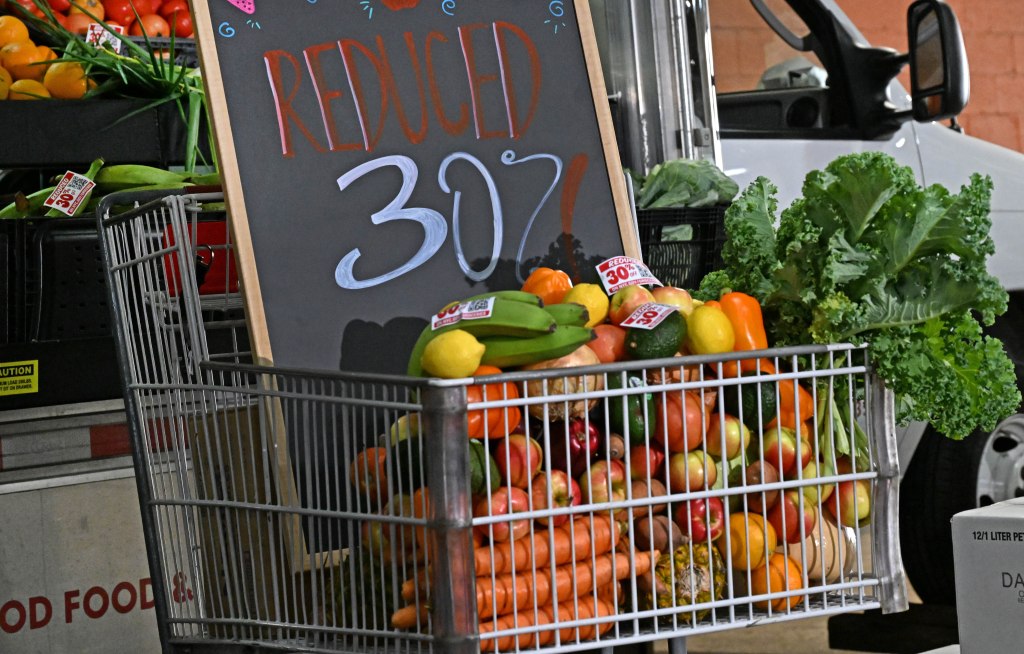
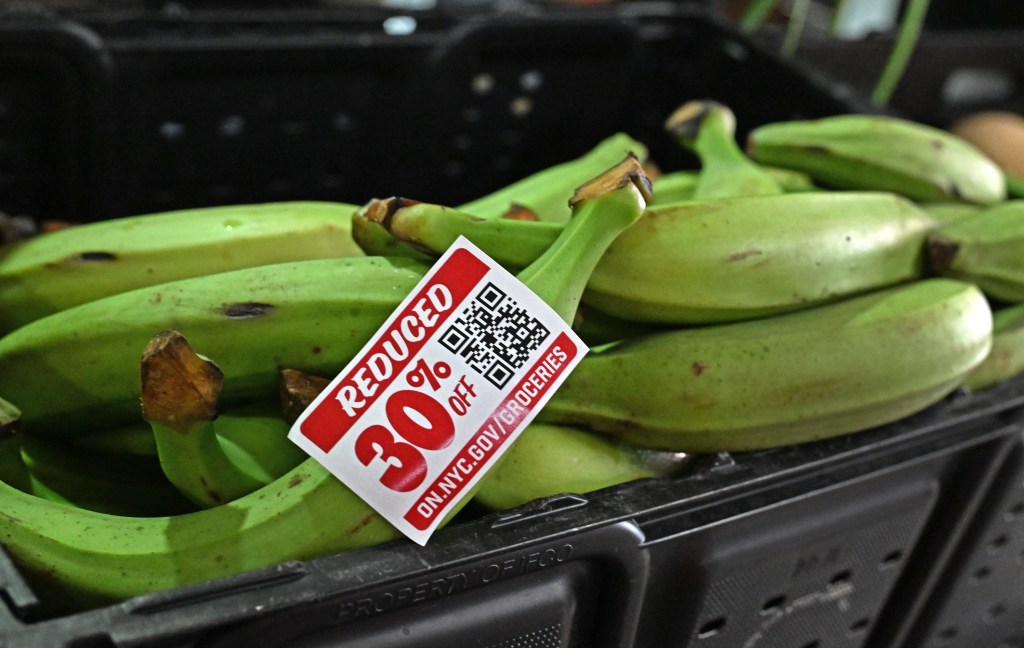
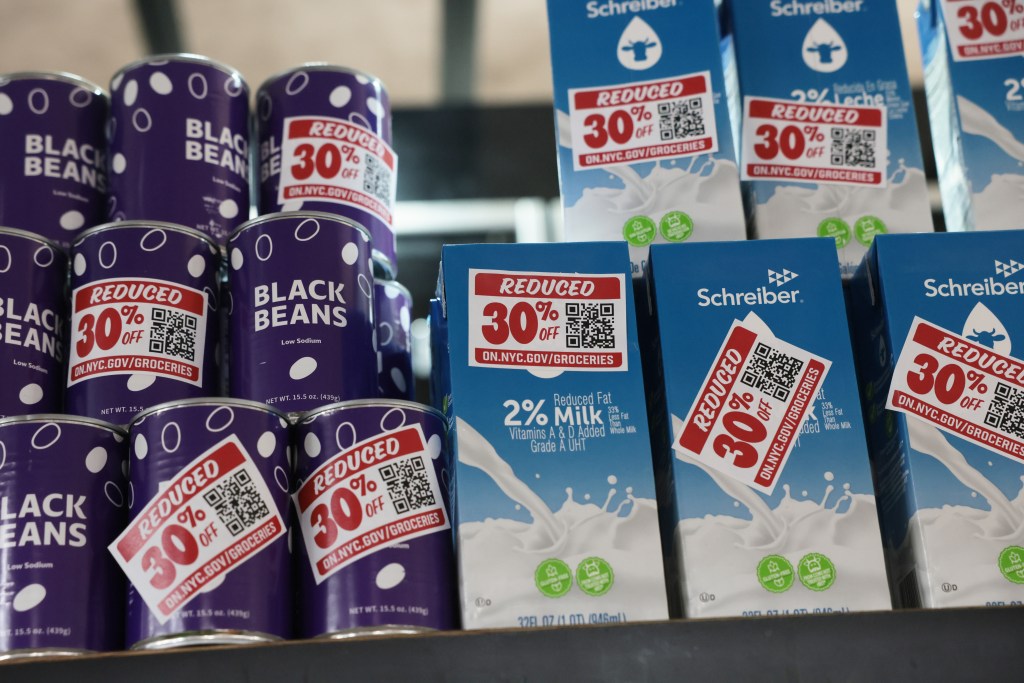
Mayor Zohran Mamdani is pitching a vague discount of 30% “below typical retail prices” on a “core basket of goods” at his promised city-owned grocery stores — but New Yorkers aren’t buying it.
Folks interviewed by The Post have a list of questions about how the discount would work, what few items they’d have to choose from, and how much it would cost taxpayers to subsidize the lefty mayor’s scheme.
“F–k that,” said Deborah, a 53-year-old lifelong Harlem resident. “We’re all paying for that. So, all the s–t we buy at the bodegas and these little local stores — iced coffee, bags of ice, fruit drinks — that’s never gong to be cheaper than in that supermarket.
“He’s wasting our f–king time and money,” she said. “Again.”
Mamdani announced Monday that a rotating list of items will be put up at “below typical retail prices,” with items including fresh produce, meat and seafood, plus staples like milk, cheese and bread.
“No exceptions, no gimmicks,” Mamdani vowed at a news conference at a Brooklyn food pantry.
City Hall projects the markdown will save shoppers an average of $90 a month or $1,000 a year, roughly around 15% off their bill.
He said individual prices can fluctuate under the framework, only requiring an “average discount of 30% relative to the retail price” for the suite of household staples.
The five stores –one in each borough — will cost Big Apple taxpayers $70 million to build, according to early estimates and City Hall couldn’t say what subsidizing the discounts will cost taxpayers.
The city recently put out a request for proposals to private grocery chains to run the stores, asking potential bidders to estimate the figure themselves through an annual “Affordability Payment” to cover the losses from selling below retail prices.

However, the bids aren’t due until Oct. 16, and an official operator won’t be selected until spring 2027.
Nearly $40 million has been earmarked for the first two selected locations while the remaining three still don’t have confirmed sites.
Either way, the first store isn’t slated to open until at least late 2027 in the Hunts Point section of the Bronx, with the second, East Harlem’s La Marqueta, not scheduled to open until 2029.

When doors do open, shoppers won’t be able to find hot food or other common bodega staples like alcohol, cigarettes or lottery tickets.
“It may not have all the items, but it’s going to be like a typical grocery store,” Economic Development Corporation interim chief Jeanny Pak told reporters Monday.
Asked how the city will stop shoppers from clearing out 30%-off meat and produce to resell it, Mamdani said the program isn’t meant for people “to make a quick buck through reselling.”

Pak said the city was weighing something “library-card-esque” to manage who’s buying.
For everyday New Yorkers, it sounds like pie in the sky.
“That’s stupid,” said 55-year-old city worker Lelina, a West Harlem resident. “You get lower prices when you just shop around. You can go to Costco or BJ’s, you know? You can buy in bulk and beat 30%.”
She said the scheme is also vague about what items would actually be available at the cheaper rate.
“What kind of bread?” Lelina added. “I’m not letting them choose what kind of bread I want. I’m not taking anything other than what I want. I won’t eat mayonnaise unless it’s Helman’s.”
Juan Carlos Santiago, a Cuban immigrant from the neighborhood, said the gambit sounds suspiciously similar to conditions on the communist island he fled.
“Cost less sounds very good,” Santiago said. “They did this where I come from. I grew up with this.
“In the end, it all costs more, and you get less,” he said. Thank God, here you can go to another store. Thank God!”
Meanwhile, small store owners also worry that the city subsidized discounts will take a bite out of their business.
“I hear every day that my members’ rent is going up,” Radhames Rodriguez, president of United Bodegas of America, told The Post Monday. “Sometimes insurance companies don’t want to insure your stores.
“We are getting killed by Con Edison,” he added. “A little store is paying $3,000 to $6,000 a month … for a store that’s 1,500 to 2,500 squrae feet!”
RFP documents detail that operators are required to run a free membership card program that tracks sales and blocks “excessive bulk purchases.”
City Hall and the EDC did not immediately respond to a request for comment.
“We are not looking to compete with bodegas or grocery stores when it comes to their ability to survive,” Mamdani said.
Additional reporting by Lisa Fickenscher