Unexpected Health Risks Emerge for Popular Weight-Loss Drugs
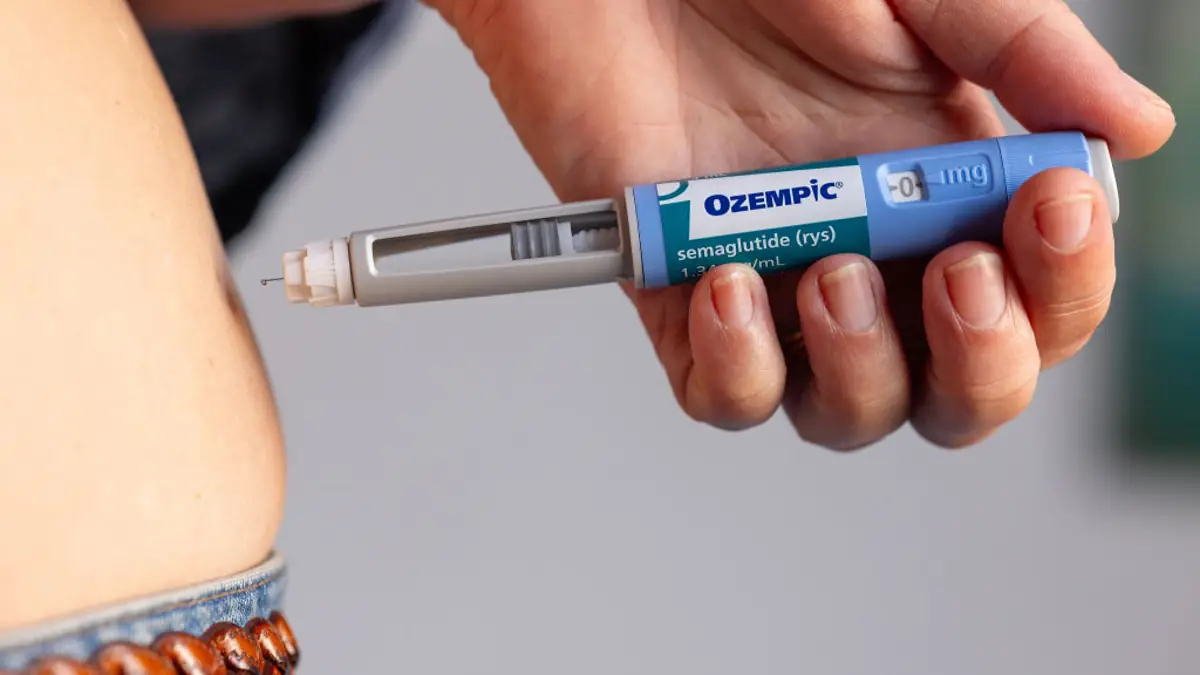
A warning about a little-known side effect has been issued to anyone who uses weight-loss medications like Mounjaro, Ozempic, and Wegovy. Researchers from the University of Pennsylvania analyzed health data from around 50,000 adults with type 2 diabetes, comparing people taking GLP-1 medications with those using other diabetes treatments: SGLT-2 inhibitors and DPP-4 inhibitors. After adjusting for factors such as age and weight, they discovered that those taking GLP-1 drugs had a 37% higher risk of developing alopecia than those using SGLT-2 inhibitors, and a 68% higher risk than those taking DPP-4 inhibitors. A warning about a little-known side effect has been issued to anyone who uses weight-loss medications. Credit: Peter Dazeley via Getty Images Regulators already investigating reports The researchers said reports of hair loss linked to GLP-1 medications - particularly semaglutide, sold as Wegovy and Ozempic , and tirzepatide, sold as Mounjaro - have already been submitted to health regulators. "Case reports and analyses of the US Food and Drug Administration (FDA)'s Adverse Event Reporting System have described occurrences of hair loss following initiation of a GLP-1 receptor agonist, particularly semaglutide (Wegovy and Ozempic) and tirzepatide (Mounjaro)," they said, per Sky News . "In response, the FDA has indicated that it is evaluating this potential safety signal," they added. In the UK, the Medicines and Healthcare Products Regulatory Agency (MHRA) has received close to 400 reports of hair loss linked to tirzepatide so far in 2026, following 541 reports last year. The regulator has also received 148 reports relating to semaglutide this year, in addition to 164 reports during 2025. Writing in the British Medical Journal (BMJ), the researchers said: "Although hair loss does not typically result in physical harm, it may have significant psychosocial consequences, affecting self-esteem, quality of life, and adherence to treatment." They believe the most likely cause is the quick weight loss and reduced calorie intake associated with the drugs, which can lead to physical stress and nutritional deficiencies, including low levels of iron, zinc and biotin, all of which can affect the hair growth cycle. They also added that "metabolic, hormonal, and immunological effects attributed to GLP-1 receptor agonists that may influence hair follicle growth and cycling" could also play a role. People taking GLP-1 drugs had a 37% higher risk of developing alopecia. Credit: Boy_Anupong / Getty Woman says Mounjaro led to terrifying health scare The findings come after one Mounjaro user opened up about suffering a frightening medical emergency she believes was triggered by the weight loss drug. Lynn Carratt, 44, began taking the medication after being diagnosed with fatty liver disease and metabolic syndrome , conditions that increase the risk of cardiovascular disease. While on a cruise with her husband and daughter, she developed severe pain in her lower abdomen after reducing her dose of the medication. She initially dismissed it as symptoms of irritable bowel syndrome, but the pain intensified. "Having continued to ignore the niggling discomfort, we were a week into our three-week trip when I woke in the night in so much pain, in my chest and abdomen, I thought I was having a heart attack," she told the Daily Mail . "Clutching my torso, I told my husband there must be something seriously wrong and that I was going to get checked out at the medical centre. "The doctor examined me and, hearing my screams when she pressed my abdomen, said: 'Oh, I think you've got an inflamed gallbladder.'" Carratt later learned that although pain medication had eased her symptoms, her gallbladder remained enlarged after returning to the UK. "My consultant told me that, while he couldn't say with absolute certainty, he thinks it's 'likely' taking Mounjaro caused my gallbladder to become inflamed," she said. She ultimately avoided surgery after an MRI scan showed improvement, although doctors warned it could still be needed in the future. An Eli Lilly spokesperson responded to the case, saying: "Patient safety is Lilly's top priority and we actively monitor, evaluate, and report safety information for all our medicines to the MHRA. "The Mounjaro (tirzepatide) Patient Information Leaflet warns that cholecystitis (infection of the gallbladder) is an uncommon side effect, which may affect up to one in 100 people. "Anyone experiencing side effects when taking any Lilly medicine should consult their doctor or other healthcare professional, and should ensure that they are getting genuine Lilly medicine," they added. Featured image credit: Steve Christo - Corbis / Getty