Browse

Latest Headlines

Fresh headlines, crisp visuals — faster reading.

Trump's Bold Move Sparks Tension with California: What's at Stake? New

Trump's Bold Move Sparks Tension with California: What's at Stake?

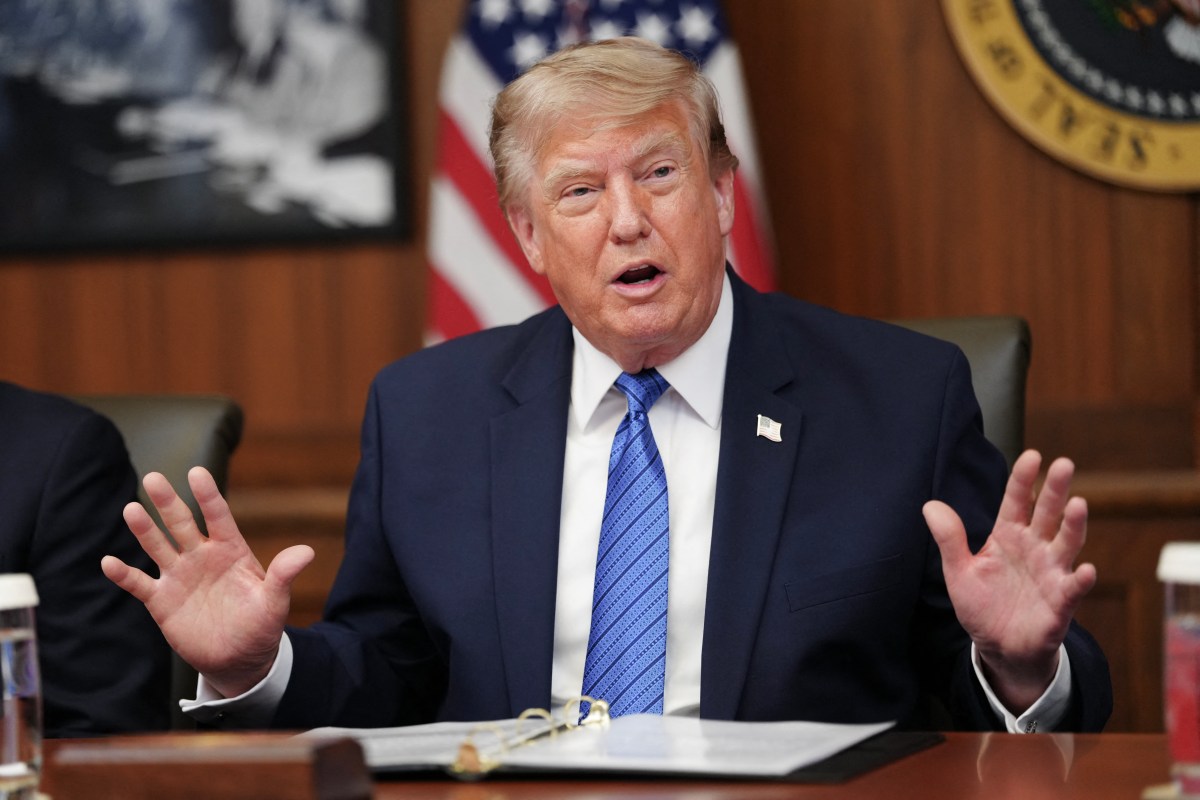
President Donald Trump reignited his administration's ongoing energy dispute with California in a Truth Social post on Sunday, highlighting a previous executive order designed to restart oil operations tied to the Sable Pipeline and significantly expand offshore oil production off the state's coast.When contacted for comment about Trump's post, California Governor Gavin Newsom's office directed Newsweek on Sunday to previous press releases from the governor on the issue."Donald Trump started a war, admitted it would spike gas prices nationwide, and told Americans it was a small price to pay. Now he’s using this crisis of his own making to attempt what he’s wanted to do for years: open California’s coast for his oil industry friends so they can poison our beaches," Newsom said in March, later adding, "California will not stand by while the Trump administration attempts to sacrifice our coastal communities, our environment, and our $51 billion coastal economy."Newsweek contacted the White House for comment via email on Sunday.Executive Action Targets Sable Pipeline RestartA White House graphic posted to Truth Social on Sunday by the president spotlighted an executive order enabling the Department of Energy (DOE) to use the Defense Production Act to restart the Sable Pipeline. The post noted Energy Secretary Chris Wright was to issue an order resulting in the “immediate production of 50,000 barrels of oil per day,” which the White House said would increase offshore oil production in California by 550 percent.The post also stated that the pipeline would produce “20 million barrels of oil equivalent per year” to meet urgent Department of Defense requirements—referenced as the “Department of War”—to supply 50 military installations on the West Coast. The post asserted that the order would preempt “radical California climate laws,” framing the initiative as an effort to end the Golden State's “coordinated regulatory attacks on American energy dominance.”The DOE announced in March that Wright had directed Sable Offshore Corp. to restore operations at the Santa Ynez Unit and Santa Ynez Pipeline System, citing supply disruption risks and national defense needs. The action was executed under Defense Production Act authorities delegated through an executive order amended by Trump.Wright said in the DOE announcement that the order would “strengthen America’s oil supply” and restore a pipeline system he described as “vital to our national security and defense.” The department said Sable’s facility can produce about 50,000 barrels per day, which it described as a 15 percent increase to California’s in-state oil production, and said the output could replace nearly 1.5 million barrels of foreign crude each month.Trump's decision to reshare the graphic follows months of emphasis by the administration on energy security, alongside concerns regarding disruptions to oil shipments through the Strait of Hormuz, a vital global energy chokepoint that carries roughly 20 million barrels of oil per day, amid the Iran war.Newsom and West Coast Governors Push BackThe Sunday post follows conflict between Trump and California officials over offshore drilling. Newsweek previously reported that Newsom had dismissed reports of a Trump plan to expand drilling off California’s coast as “dead on arrival in California” and said the state would “absolutely” challenge the plan in court if finalized.Newsweek later reported that the Trump administration had unveiled a five-year leasing plan including six offshore lease sales along the California coast between 2027-30, where no new federal leases had been issued since the mid-1980s. That proposal also included drilling in waters at least 100 miles off Florida’s shoreline and more than 20 additional lease sales off Alaska.California has repeatedly opposed new offshore drilling. Newsom said in November that Trump’s offshore drilling proposal was “idiotic” and a “reckless attempt to sell out our coastline to his Big Oil donors.” In January, Newsom joined the governors of Oregon and Washington in formally opposing new oil and gas lease sales off California’s coast, warning of risks to coastal economies, marine ecosystems and communities.California regulators and environmental groups have already mounted legal challenges over the Sable restart and related pipeline approvals. California Attorney General Rob Bonta, joined by the Office of the State Fire Marshal, has challenged federal efforts in January to shift oversight of the Las Flores pipelines from state regulators to the federal Pipeline and Hazardous Materials Safety Administration, as well as DOE’s Defense Production Act order directing the restart. Environmental groups, including the Environmental Defense Center, the Center for Biological Diversity and Earthjustice, have also sought to intervene in support of California’s challenge, according to the Santa Barbara Independent....Contact Newsweek editors for this story: Steve Mollman and Anthony Murray.

Aug 03, 2026
Shocking Release: Child Killer Walks Free, Father's Heartbreak Exposed New

Shocking Release: Child Killer Walks Free, Father's Heartbreak Exposed

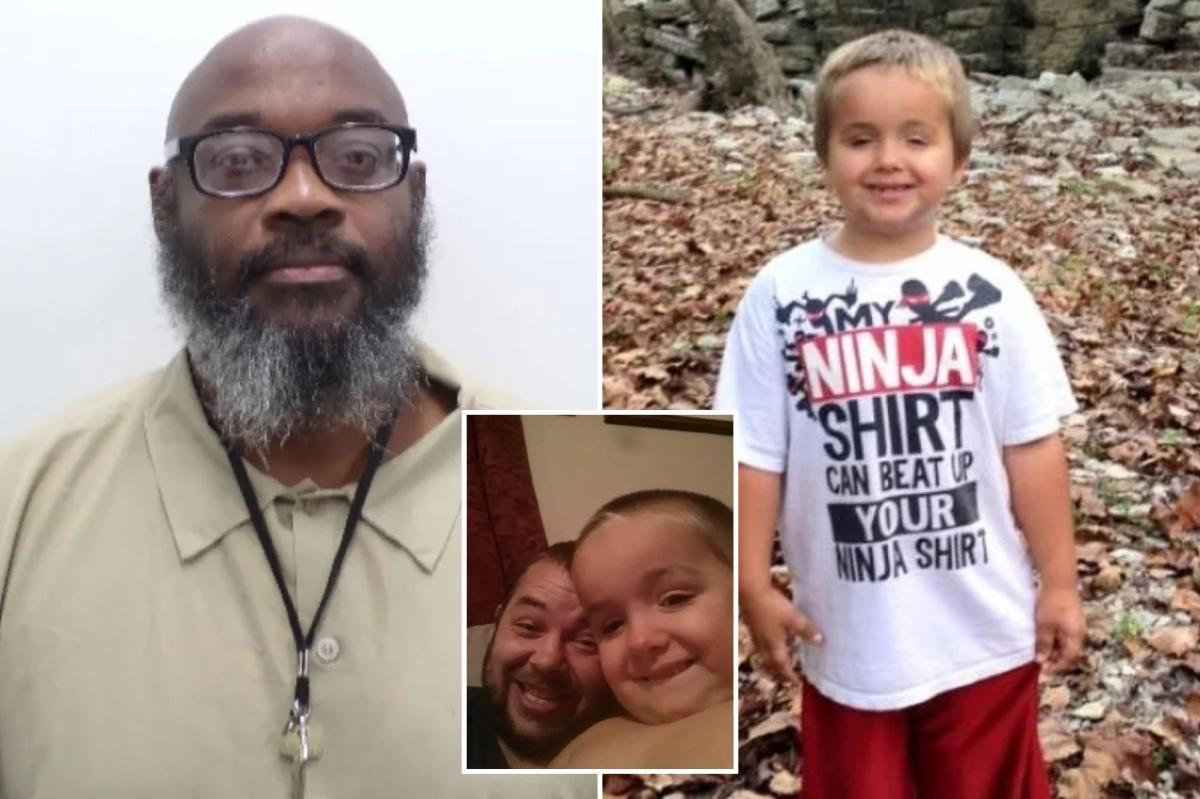
A Kentucky child killer who butchered a sleeping boy to death but was acquitted by reason of insanity was released from prison on Wednesday– as the boy’s father fumed at the judicial system.Ronald Exantus served out his entire prison sentence and was back on the streets after he was released from the Kentucky Department of Corrections for the deadly Dec. 7, 2015, stabbing melee that killed 6-year-old Logan Tipton.“Pursuant to state laws passed by Kentucky’s General Assembly, Ronald Exantus has served the sentence issued by the Woodford Circuit Court and has been released. He is no longer in the custody of the Department of Corrections. The Kentucky Parole Board did not release Exantus, and he was not released early,” the state’s Department of Corrections said, WKYT reported.Ronald Exantus was released from prison after serving his sentence for the December 2015 stabbing that killed Logan Tipton. Kentucky Department of CorrectionsExantus doesn’t face any other probation regarding the killing. Tipton’s father, Dean Tipton, said his family was punished more than his son’s killer, who was charged with assault. “The judge and jury gave this monster a slap on the wrist while handing down a life sentence to my family,” the heartbroken father wrote on Facebook Wednesday.“Trying really hard to not let this break me….I’ve carried so much over the years since Logan going to be with our Lord. I have woke up everyday, put on my fake ass smile and have carried on with life and literally living through hell. Today though, I’m having a hard time trying to figure out how to go on with life. Knowing that this monster gets to walk free and live his life, while I lay in this bed and my baby boy is in the grave. This may be my breaking point,” he added.The now-42-year-old had broken into a Versailles, Ky., home, where he butchered little Logan Tipton to death while the kindergartner slept.Logan Tipton was killed by Exantus while he slept at his family home in Versailles, Ky., on Dec. 7, 2015. Find a graveDean Tipton with his son Logan before the deadly break-in at their home in Woodford County, Kentucky. Facebook/Kota TiptonExantus also stabbed Dean Tipton and his two sisters, telling the one sibling, Dakota, that he would kill the entire family.The madman was arrested and tried for the kindergartner’s killing but was found not guilty of murder by reason of insanity after his attorney argued Exantus was genetically schizophrenic, WKYT reported.Exantus, a former dialysis nurse, was instead sentenced to a maximum of 20 years behind bars for assault charges against the three other family members during his 2018 trial.During his time in prison, Exantus received nearly nine years of sentence credit, speeding up his release.Toys surround the grave of Logan Tipton after his death on Dec. 7, 2015. Facebook/Kota TiptonExantus was tried for the kindergartner’s killing but was found not guilty of murder by reason of insanity. Facebook/Heather PujolHe was first released on parole on Oct. 1, 2025, but was quickly back behind bars after moving to Florida when he failed to register as a convicted felon and violated his parole eight days later. He was extradited to Kentucky, where he served out the remainder of his sentence locked up until Wednesday.During that time, the Kentucky State Legislature passed Logan’s Law, which amended the state’s parole eligibility for violent offenders, changed insanity defense procedures and eliminated some of the early-release options.Despite the bill being signed into law by Gov. Andy Beshear in April, it does not retroactively affect Exantus’ release, allowing him to walk free.“So I’ve come to terms that even though we got Logans Law passed it is still not enough,” Dean Tipton wrote on Facebook Saturday. “Violent criminals should not be able to knock so much time off their sentence.“So this is my next goal. Im going to fight to have the amount of time limited and considering on how Violent the crime is no time being knocked off. Our judicial system as a whole needs to be over hauled and I am gonna fight for more change,” he said.Dean Tipton notably threatened to kill Exantus after his initial release, warning his son’s killer of his fate if the two ever crossed paths.“I’ve had my talks with God cause I’m not afraid to tell you all, I told the court — if I ever cross paths with him, I will kill the man. I will kill him where he stands,” he previously told WKYT.

Aug 03, 2026
RFK Jr. and CNN's Dana Bash Clash Heatedly Over Vaccines and Public Health New

RFK Jr. and CNN's Dana Bash Clash Heatedly Over Vaccines and Public Health

Health and Human Services Secretary Robert F. Kennedy Jr. got into a fiery clash with CNN host Dana Bash over the COVID-19 pandemic, vaccines and autism.Tensions began to flare after Bash noted how the Kennedy scion has pinned a lot of the blame for the COVID-19 pandemic fallout on Dr. Anthony Fauci, who repeatedly pleaded the Fifth Amendment during questioning before a Senate panel last week.But after Kennedy started describing his plan to respond to a future pandemic, the two really began taking the gloves off.HHS Secretary Robert F. Kennedy Jr. went toe to toe with CNN anchor Dana Bash on COVID-19, vaccines, and autism. CNN“We need to protect our constitutional rights. That is the primary obligation,” Kennedy said during CNN’s “State of the Union” on Sunday when asked about how he would deal with a pandemic in the future. “One of the mistakes we made in the last time was suppressing those rights so people weren’t being heard.”Bash scoffed at his answer, saying that he was “talking about rights, and I’m asking about a potential public health crisis,” then attempted to move on to the next topic.“Because you were part of the problem,” he fired back. “It was absolute press malpractice … your job is furious skepticism of authority, and you weren’t doing that.”The CNN anchor stressed that she didn’t want to let Kennedy get away with saying “things that are entirely untrue” and stressed that it is “factually true that the COVID vaccine worked.”“Do you want to sit here and attack me, or do you want to have conversations?” Bashed vented. An angry Kennedy fired back, “You’ve been sitting here and attacking me.”Bash then attempted to pivot to the measles outbreak, but she quickly suggested that the COVID-19 vaccines worked, including on children.Kennedy demanded she cite one study proving that to be true, and Bash claimed that there was research indicating that vaccine misinformation led to 100,000 to 200,000 more deaths in the US than what otherwise could’ve been. The Kennedy scion bristled at Dana Bash’s aggressive line of questioning. CNN“You are saying nonsense. You are saying something that you cannot [prove],” the HHS boss fumed“I am not saying nonsense,” Bash interjected during some crosstalk. “Excuse me.”Once they jumped into the measles discussion, Kennedy argued that it was an “international outbreak” and that the US is “doing better at handling it than any country in the world.”The HHS boss also blamed the measles outbreak in the US on the COVID-19 pandemic and a segment of the population that refuses to get vaccinated due to religious reasons.“What I want you to do is please use your bully pulpit to right now, as we’re getting close to back to school, say … to parents who have not vaccinated their kids that they should vaccinate their kids for measles because it is safe and it will help them save their children’s lives?” Bash said,RFK Jr. insisted he wasn’t to blame for the measles outbreak in the US. CNNShe pressed him to look into the camera and do that. Kennedy obliged.Next, Bash grilled Kennedy on autism. He confirmed that President Trump “certainly does” want him to probe whether there are links between autism and vaccines.“You are wrong when you say that this issue has been studied,” Kennedy said. At one point, he said, “I know you’re flustered now.”“Do you see your job as ending vaccine hesitancy or telling the truth to the American people?” he later added, before bashing her for repeating her lines “like a parrot.”Bash decided to wrap up the interview on a somewhat conciliatory note after keeping him on for the full segment — in sharp contrast to other CNN anchors who have historically cut off guests that questioned them on air.“I’m sorry that this turned into a very contentious conversation, and my job is to try to get the best information out there, and it concerns me when you come in and say things [that are wrong],” Bash concluded before ending the interview, which lasted over 20 minutes.

Aug 03, 2026
Hollywood Shock: 'Barbie' Sequel in Jeopardy Over Explosive Pay Dispute New

Hollywood Shock: 'Barbie' Sequel in Jeopardy Over Explosive Pay Dispute

Three years after “Barbie” took the box office by storm in the summer of 2023, fans are still nowhere closer to a sequel happening, and new details have emerged about the hold-up.Margot Robbie starred as the title character with Ryan Gosling portraying Ken in the blockbuster, which took in $636.2 million domestic and $810.9 million from foreign markets for a combined $1.447 billion worldwide.While that is certainly a big enough haul to have most movie studios quickly giving a green light for a sequel, Warner Bros. has been stalling, with a report from The New York Times revealing why.Three years after “Barbie” took the box office by storm, new details have emerged about the sequel hold-up. ©Warner Bros/Courtesy Everett CollectionMargot Robbie starred as the title character, with Ryan Gosling portraying Ken in the blockbuster movie. Anadolu Agency via Getty ImagesEmbattled Warner Bros. Discovery CEO David Zaslav — who is set to earn a whopping $886 million “golden parachute” when (or if) the Paramount/Warner Bros. merger is approved — is balking at Robbie and Gosling’s hefty salary demands.Gosling is reportedly asking $20 million to return as Ken, though Zaslav thought it was too much and refused to sign off on the deal, which also included language about profit participation.The studio also needs to come to agreements with Robbie, director Greta Gerwig and her writing partner (and real-life husband) Noah Baumbach.The report adds that negotiations have been ongoing for months, though studio reps have said that the principal talent declined the studio’s last offer in May and have yet to counter.Warner Bros. co-chairs Pam Abdy and Michael De Luca said in a statement: “We have a rights deal with Mattel in place and have made a series of big offers to try and finalize deals to make the next ‘Barbie’ film. Unfortunately, we have been unable to reach an agreement thus far.”The negotiations not only come as Paramount agreed to pause their merger with Warner Bros. following a lawsuit filed by California Attorney General Rob Bonta, but also as another deadline looms large.Warner Bros. Discovery CEO David Zaslav is balking at Robbie and Gosling’s hefty salary demands. The Hollywood Reporter via Getty ImagesIf the studio doesn’t finalize a deal for the sequel by December, then the film rights would revert back to Barbie toy manufacturer Mattel.If that happens, that means they would have to redevelop the intellectual property, and they would have to start from scratch with a new cast and creative team, without using any elements from the blockbuster.Gerwig — who is currently in post-production on Netflix’s “Narnia: The Magician’s Nephew” — and Baumbach are said to be using this deadline as leverage.The writers have an idea for the sequel, though they are refusing to tell the studio anything about their new story, or start the writing process, until their deals are signed.Both Gerwig and Baumbach are said to have insisted on having no language regarding a sequel in their original “Barbie” contracts, which has ultimately lead to these negotiations dragging out.There is still time for a deal to be made, to ensure that this cast and crew can come together for a sequel, but there is no doubt that the clock is ticking and time is running shorter by the day.Download The California Post App, follow us on social, and subscribe to our newsletters California Post News: Facebook, Instagram, TikTok, X, YouTube, WhatsApp, LinkedInCalifornia Post Sports Facebook, Instagram, TikTok, YouTube, XCalifornia Post Opinion California Post Newsletters: Sign up here!California Post App: Download here!Home delivery: Sign up here!Page Six Hollywood: Sign up here!

Aug 03, 2026
Tragic Decision: What Led a 17-Year-Old to Choose Euthanasia? New

Tragic Decision: What Led a 17-Year-Old to Choose Euthanasia?

The parents of Milou Verhoof, a 17-year-old Dutch girl who received legal euthanasia due to severe psychological distress, shared the final message they gave to their daughter. Verhoof , who passed away in October 2023, suffered from severe mental illnesses, including borderline personality disorder and deep trauma. These difficulties followed major traumas earlier in her childhood, leaving her in what her doctor described as a mentally terminal state. Her family exhausted years of psychiatric treatments, clinical care, and specialized therapy programs. Despite the extensive medical efforts, Verhoof felt her mental pain was constant and impossible to fix. She applied for legal euthanasia under Dutch law, a process that evaluates whether a person’s suffering is unbearable and lacks any realistic prospect of improvement. As the medical procedure was about to take place in her family home, her parents accompanied her to her bedroom. To reassure their daughter and grant her peace, her mother, Mireille Verhoof, and her father provided their blessing. The last words they said to her were, "It is okay," as reported by Ben Brabant Zeeland. Milou Verhoof died by euthanasia at the age of 17. Credit: NPO The medical and legal path Under the rules of the Dutch Euthanasia Act, individuals do not need a terminal physical diagnosis to qualify for assisted dying. Legal criteria focus heavily on the nature of the distress itself. Psychiatrist Menno Oosterhoff evaluated Verhoof and determined that her psychiatric condition met the rigid legal standards for unbearable suffering with no remaining treatment options. The decision caused significant public discussion regarding whether young individuals can legally make permanent end-of-life choices. Critics question whether teenagers possess the emotional development to decide their conditions are truly incurable. However, her parents explained that their greatest fear was finding their daughter dead by a lonely, traumatic suicide, which led them to support her wish for a structured, medical exit. A message left for others Before her death, Verhoof communicated a specific final wish to her parents regarding how society should handle youth mental healthcare. She asked her family to share her experiences publicly to help other struggling youth. Her final message to her mother was, "I want others after me to be listened to". Her family co-operated with filmmakers to release a documentary detailing her psychiatric history and her ultimate decision. Her mother stated that looking back at the journey, she believes allowing a proper farewell is a profound expression of parental care. Mireille Verhoof remarked, "You can not more of your child love than together on way go to a beautiful farewell." If you or someone you know is struggling or in crisis, help is available. Call or text 988 or visit 988lifeline.org. Featured image credit: NPO

Aug 03, 2026
The One Thing Your Brain Needs to Truly Sleep at Night New

The One Thing Your Brain Needs to Truly Sleep at Night

Millions of Americans struggle to get a good night's sleep, but according to a cognitive neuroscientist who recently spoke with Newsweek, the problem may run deeper than a poor bedtime routine.The brain's ability to sleep is closely tied to whether it feels safe enough to switch off, with unresolved stress and anxiety potentially keeping people trapped in a state of heightened alertness.Cognitive neuroscientist Yousuf Aslam told Newsweek that sleep regulation involves a "complex interplay" between neuroscience, psychology, neurochemicals, and physiological processes. While biological mechanisms help regulate sleep, he said emotional factors can be just as important.How the Brain Regulates SleepAslam, who has a focus on neuromechanics and a strong academic background in neuroscience and biochemistry from Queen Mary University, London, explained that two primary biological systems regulate sleep: the circadian rhythm and sleep-wake homeostasis."The circadian rhythm, our internal 24-hour clock, is governed by the suprachiasmatic nucleus in the hypothalamus," he said, noting that it adjusts melatonin production in response to light and darkness.The second system, sleep-wake homeostasis, tracks how much sleep the body needs. Aslam said it is regulated by adenosine, a chemical that builds up during waking hours and declines during sleep. Caffeine promotes alertness because it blocks adenosine receptors.However, he said sleep involves more than biology alone. "Beyond these, stress and emotion regulation significantly impact sleep," Aslam said, noting that stress can increase cortisol production and interfere with normal sleep processes.When the Brain Feels ‘Unsafe’According to Aslam, there are two key stress-related causes of sleep disruption.The first stems from unresolved experiences or perceived shortcomings from the past. He said the brain can become agitated because it "feels unsafe due to past memories," whether from painful events, unresolved issues or a persistent feeling that “I haven’t achieved or done enough.”The second is anxiety about the future. Aslam described this as the brain feeling unsafe about "future memories"—anticipating negative outcomes, dreading upcoming responsibilities or worrying that there is simply too much ahead to do.In both cases, he said the brain struggles to relax. "When the brain feels 'unsafe,' it officially enters something called the sympathetic nervous response, also referred to as the flight or fight response," Aslam said. Elevated heart rate and increased brain activity make it harder to fall asleep and remain asleep.For sleep to occur, the brain must first slow down, Aslam said, and in order to do this, “it needs to feel safe,” and secure enough to reduce the volume of thoughts and transition away from a state of stress.He compared the process to moving from overthinking to a state of cognitive and physical relaxation. Brain activity must shift from beta waves, which are associated with wakefulness and stress, to alpha waves, "the gateway to cognitive relaxation," before deeper sleep stages can occur.People who cannot make that transition often resort to scrolling on their phones late into the night. Aslam said his team frequently finds that such individuals spend hours on mobile devices, subconsciously trying to exhaust themselves before eventually falling asleep from fatigue....A Nightly Exercise for Better SleepTo address these underlying stressors, Aslam recommends a nightly gratitude-writing exercise.The practice involves writing down three things you are grateful for from the day or anything from your past, three things you are grateful for about tomorrow, and four things you appreciate about yourself in the present. "Essentially, we are training the brain to feel secure about what's happened, what will happen, and how things are in the present moment," he said.Aslam recommends completing the exercise immediately before bed because the brain continues processing thoughts for up to four hours after sleep begins.“Often, people go to sleep thinking about the day they’ve had or the day ahead. The brain keeps working on this trying to ‘solve’ these concerns—and you wake up exhausted, even though you may have slept for seven to eight hours,” Aslam explained. “It is not necessarily the quantity of sleep that is key, it is the quality of sleep.”Rather than focusing on worries, the goal is to fall asleep with feelings of security and gratitude....Aslam also advises writing the gratitude list by hand using a pen and capital letters rather than a phone or digital device, “because the brain perceives paper and ink differently to digital devices.”In the morning, he recommends reading the list within 45 minutes of waking up, “as the brain is more susceptible to reprogramming.”He said to read this list instead of immediately checking messages or emails, which he said can trigger a cortisol-driven stress response. “The same reason why you should delay your first cup of caffeinated drink to after 45 minutes of waking, to reduce the cortisol spike,” he noted.Aslam said improving your sleep can impact your "mental health as a whole, including improved focus, clarity, and memory abilities.” ...Do you have a health-related question? Let us know via life@newsweek.com, and your story could be featured on Newsweek.Contact Newsweek editors for this story: Kara Dolman and Anthony Murray.

Aug 02, 2026
Kentucky School's Controversial Ban: What's Behind the Metal Water Bottle Uproar? New

Kentucky School's Controversial Ban: What's Behind the Metal Water Bottle Uproar?

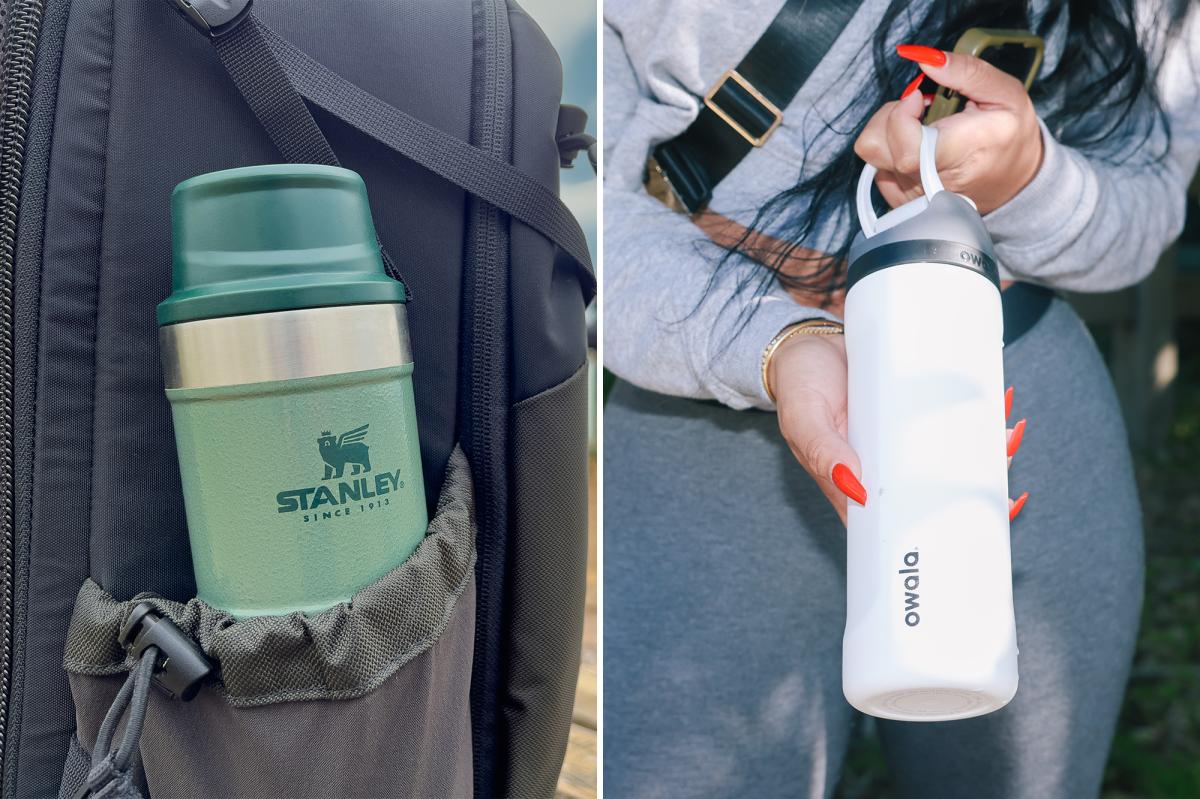
A school district in Kentucky is putting an end to the “emotional support waterbottle” trend — angering parents and students alike just a week before classes are set to resume.Hardin County Schools, which oversees nearly 15,000 Kentucky students, made the last-minute decision to ban metal water bottles during school hours out of safety concerns, Spectrum News 1 reported. The decision to yank popular water bottles — including brands like Stanley, Owala and Brumate — was announced just days before classes are slated to begin on Aug. 6. Hardin County Schools in Kentucky has banned metal water bottles during school hours ahead of back to school 2026. Facebook/Hardin County Schools“We noticed an increasing number of students choosing to use those as a weapon on other students,” said John Wright, public relations director for the school district.“And so, what’s the best way to decrease that or to stop that? The best way is to not have them in our buildings anymore,” he added.According to the district, water bottle related issues have continued to increase since the start of the pandemic.Some students have suffered serious injuries such as concussions from metal water bottles, while others have required hospital visits. Wright acknowledged that the district “should have announced” the decision sooner and “apologizes” for the last-minute announcement but said the issue was brought up at a recent meeting between school and district administrators. Popular brands like Owala and Stanley were called out in the school district’s announcement. Los Angeles Times via Getty Images“And so we just made the decision, our leadership made the decision to only use plastic water bottles for this school year,” Wright said.The decision that only plastic water bottles would be permitted this school year, announced on the school district’s Facebook page, received a barrage of angry reactions from parents. Popular brands with students, like Stanley, Owala and Brumate, were singled out in the post which has since had the comments section disabled.Students will not be allowed to carry metal water bottles during school hours. David Bokuchava – stock.adobe.comAfter the announcement was made, parent James Paulk received a call from his 13-year-old worried about what bottle she would be able to use at school.“I do understand it,” Paulk told the outlet.“However, I think we’re getting away from the reasoning behind it anyways, right?” he said. “n that time, everybody having a water bottle was perfect. You should. But things have changed, right? The school district said the ban does not apply to after-school activities such as sports and clubs. yalcinsonat – stock.adobe.com“We’re no longer in that COVID era per se. So, everybody having a water bottle probably isn’t the right play anymore.”As the policy is new, district officials said that there will be a grace period for students before it is strictly enforced. The school district said that the ban only applies during school hours, so students may use a metal water bottle during after-school activities like sports and clubs.

Aug 02, 2026
Netflix's Shocking Oversights: What Wasn't Shown in the Idaho Student Murders Doc New

Netflix's Shocking Oversights: What Wasn't Shown in the Idaho Student Murders Doc

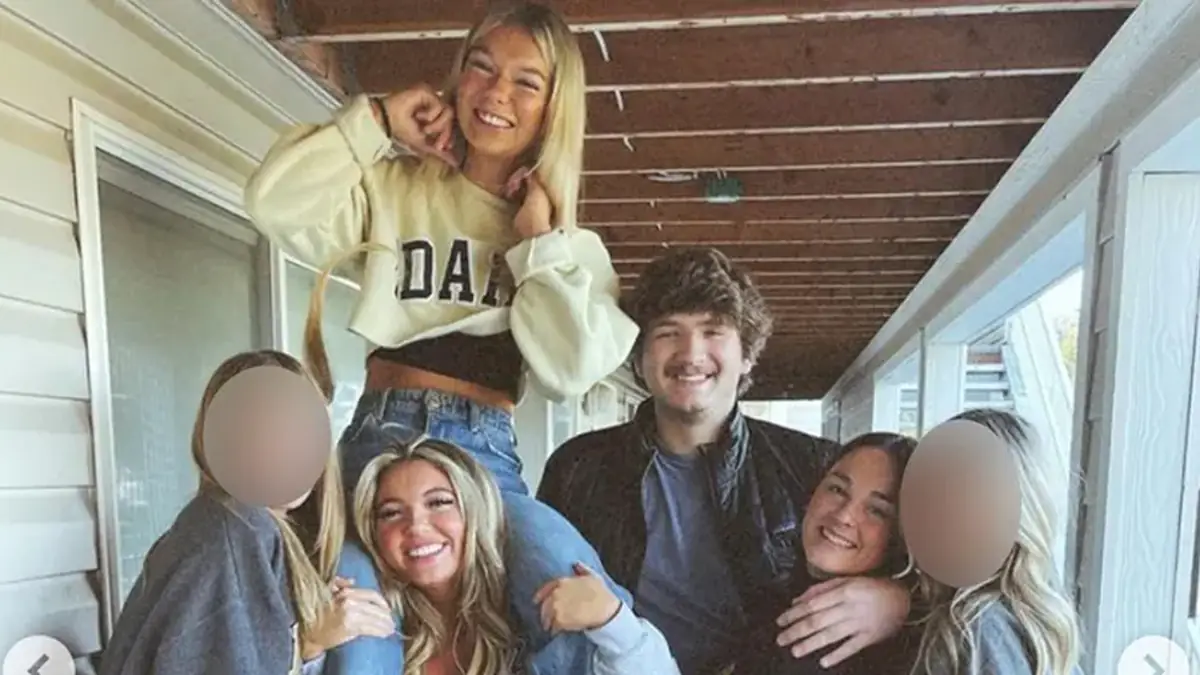
Here are some key details that weren't included in Netflix crime documentary The Idaho Murders: College Nightmare . The title explores the horrific murders of four University of Idaho students : Madison May Mogen, Kaylee Jade Goncalves, Xana Alexia Kernodle, and Ethan James Chapin in their home. As part of the crime doc, there is never-before-seen evidence, including bodycam footage of one of the two survivors speaking to police about what happened. Bryan Kohberger , who is serving four life sentences for the crime, has been attempting to withdraw the guilty plea that spared him from standing trial, as well as the death penalty. While he has claimed that key evidence proves that he is innocent, the convict is still behind bars after pleading guilty to one charge of burglary and four counts of first-degree murder in exchange for not facing the death penalty. The students were stabbed at least 150 times in the early morning hours of November 13, 2022, in their off-campus property, according to a supplemental filing from prosecutors. Despite the detail in the doc, here are eight things that weren't included in the final cut. Four of the six housemates died in the attack. Credit: @kayleegoncalves / Instagram Kohberger might have stalked female victims Speaking to Moscow Police Department, surviving roommate Dylan Mortensen admitted that Goncalves thought she was being followed for weeks before her death. She remembered her late roommate seeing a dark figure while she was walking her dog a month prior. While interviewees said that the convict's phone only had 18 contacts on it and few apps, a source close to the investigation claimed that Kohberger had photos of one of the female victims, while an account that appeared to belong to him followed Goncalves, Mogen and Kernodle on Instagram. The source claimed: “He had more than one picture of her, it was clear that he was paying attention to her.” It was also claimed by an ex-employee that he visited the restaurant Kernodle and Mogen worked at, while experts claimed that he had likely been in their home before the killings. Mortensen said that two weeks before the incident, she and her roommates came home to find the front door open and their washing machine running. While the documentary spoke about complaints against Kohberger, it did not mention the two women who accused him of stalking them at their homes and a third of following and harassing her at her job. Exotic dancer claimed Kohberger spoke about murderous impulses A police report obtained by PEOPLE revealed that an exotic dancer claimed a man who she thought was Kohberger came into the club where she worked, and made an unnerving comment. She said that while she was performing on the main stage, she could hear Kohberger speak about “killing people.” The dancer jokingly asked him who he would kill, and he replied, “Whoever I want.” She added that during a private dance, he told her to look into his eyes while he asked her questions about where she lived and what car she drove. Bryan Kohberger has tried to withdraw his guilty plea. Credit: Pool / Getty Images. Kohberger claimed he was diagnosed with mental health conditions The Netflix doc spoke of his online posts about having visual snow syndrome, a condition that can impair vision, but there was nothing about his alleged mental health diagnoses. In a June 2025 court filing, Kohberger wrote that he was diagnosed with autism spectrum disorder (level 1), attention deficit hyperactivity disorder (ADHD), obsessive compulsive disorder (OCD) and avoidant/restrictive food intake disorder (ARFID), as per the publication. He noted that he was only taking levothyroxine as medication - a drug usually prescribed for hypothyroidism. The convict spoke to his mom on the day of the murders Kohberger's phone records showed that he didn't talk to anyone except his family, but the doc didn't detail that he called his mother less than two hours after stabbing Chapin, Goncalves, Kernodle and Mogen to death. According to Heather Barnhart, the digital forensics expert who led the team that went through Kohberger's phone and hard drive, told People that Kohberger called mom Maryann from home, but she didn't pick up. After he messaged his dad asking about this, his mother picked up at 6:17 AM and spoke for 36 minutes. He called her again on 8:03 AM when he was on his way back to the crime scene, where they spoke for 54 minutes. After 10 minutes at the property, he returned to his residence, calling his mom again at 9 AM, 4:05 PM, and then finally at 5:53 PM for 96 minutes, totalling over three hours of conversation on the day of the murders. Footprints were found outside the home after Bryan Kohberger killed four University of Idaho students on November 13, 2022. Credit: Idaho State Police Kohberger ran errands afterwards The killer switched his vehicle registration from Pennsylvania to Washington on Nov. 18, 2022, making his vehicle harder for investigators to link with the crime. While reportedly speaking with a DMV employee while changing license plates, she said that she liked how safe and quiet the area was, but since the murders of the students, she didn't feel safe anymore. Kohberger would remain quiet and change the subject, while other video footage shows him trying to shop at a Costco, though he was turned away as he didn't have a membership. Classmates saw Kohberger’s injuries Days after the killings, Kohberger was late to one of his classes at WSU, emailing a professor about missing another. Some of his WSU classmates noticed cuts on his hands, with students noting that he gave different excuses to explain the injuries, as he told one he was a boxer, another that he was in a car accident, and another that he suffered an “indoor accident.” Idaho State Police said this was likely from Kernodle's struggle. Kohberger lied about his injuries to classmates. Credit: Pool / Getty Kohberger planned to blame the victims’ friends Before pleading guilty to aoid the death penalty, the convict allegedly planned to blame three friends of the victims and a relative stranger for the murders. A court order from Ada County District Court Judge Steven Hippler detailed that three of the unnamed people "were each socially connected to one or more of the victims, interacted with one or more of the victims at social events in the hours prior to the homicide, lived within walking distance of the crime scene and were familiar with the layout of the victims’ home from prior social events." It further detailed that the fourth person was a man who encountered one of the female victims while shopping around a month before the killings. “He followed her briefly out the exit of the store while considering approaching her to talk. He turned away before ever speaking to her,” it read. The order further stated that Kohberger was prohibited from naming the individuals as possible suspects as their proximity to the crime scene "is not probative evidence given that the perpetrator drove vehicle to the crime scene." They also noted that "none of these individuals drove a vehicle matching the description of the suspected killer’s." Kohberger followed the case closely When police were surveilling Kohberger's parents' home in December 2022, his download and search history showed that he may have been feeling paranoid. Barnhart said that her searched for 20 different serial killers on Christmas Day that year, and four days later, he read a New York Times article about the search for the owner of a 2011-2013 Hyundai Elantra. He then looked up terms like "auto detailing shop" before searching for used cars in his area, before searching for “psychopaths paranoid” and “wiretapping.” he also downloaded news articles about University of Idaho parking permits for Hyundai Elantras, in addition to daily updates from the Moscow Police Department. Barnhart acknowledged that Kohberger was good at covering his online footprint and clearing data, but he hadn't scrubbed his phone before his arrest in the early hours of December 30, 2022. Featured image credit: @kayleegoncalves / Instagram

Aug 02, 2026
Teen Lifeguard's Heroic Act Could Lead to White House Honors New

Teen Lifeguard's Heroic Act Could Lead to White House Honors

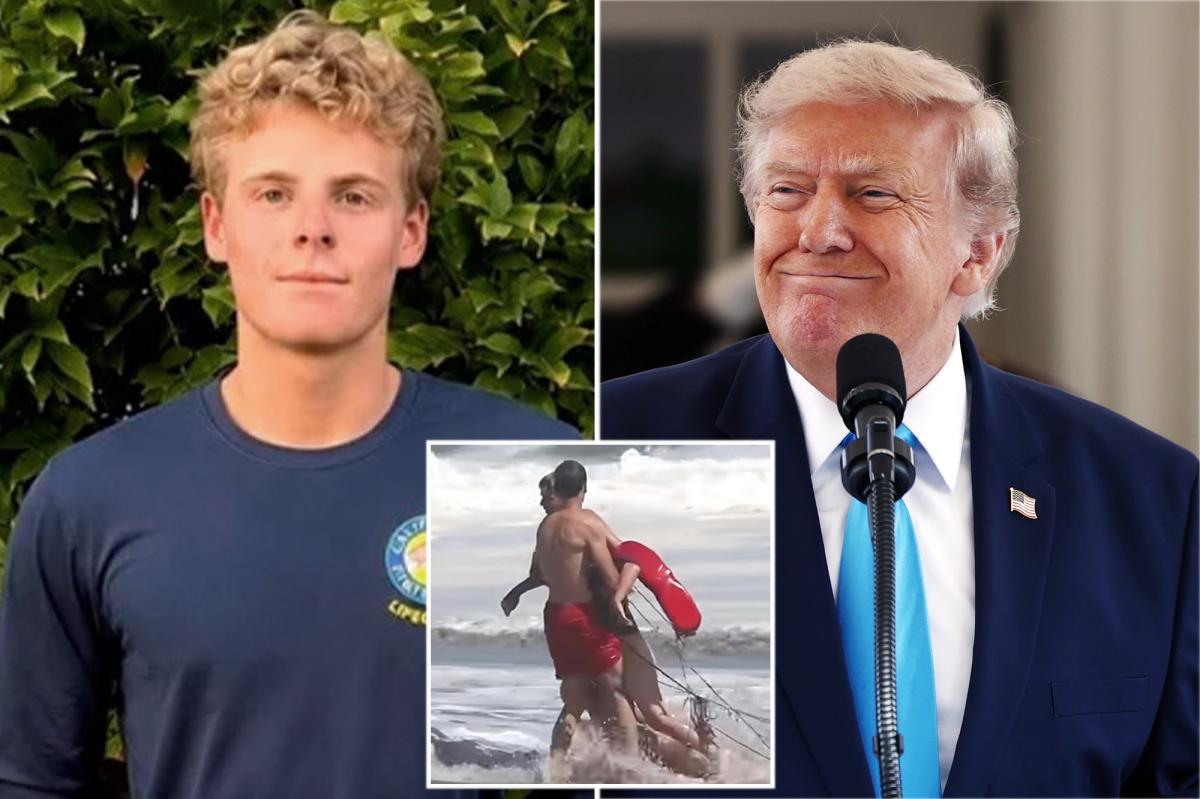
California’s teenage lifeguard hero could soon be headed to the White House.The family of 16-year-old Ryder Williams has been contacted by President Donald Trump’s staff after the commander-in-chief vowed to honor the rookie rescuer who saved a drowning 10-year-old boy from pounding surf.Ryder became an overnight hero on July 25. Instagram/santacruznowRyder’s proud father also welcomed the president’s recognition of his son. AP Photo/Jacquelyn Martin“The White House has contacted us but there’s been no official date or time,” Ryder’s father, retired firefighter Shane Williams, 54, told The California Post on Saturday.Trump announced the invitation after video of Ryder’s dramatic rescue at Seabright Beach went viral, saying he plans to welcome the teen and his family to Washington, DC, and personally present him with a high civilian honor for his heroism.Shane said the whirlwind of attention has been overwhelming, but the family is now focused on returning to everyday life as Ryder prepares for his first day of school on Aug. 6.“We just want to get back to normal life and let him start high school and start playing water polo,” he said.Trump plans to personally present him with a high civilian honor for his heroism. Jim LoScalzo / Pool via CNP / SplashNews.comThe proud father also welcomed the president’s recognition of his son.“I would love to take my son there and I think he deserves that.”Download The California Post App, follow us on social, and subscribe to our newsletters California Post News: Facebook, Instagram, TikTok, X, YouTube, WhatsApp, LinkedInCalifornia Post Sports Facebook, Instagram, TikTok, YouTube, XCalifornia Post Opinion California Post Newsletters: Sign up here!California Post App: Download here!Home delivery: Sign up here!Page Six Hollywood: Sign up here!Ryder Williams with his father, Shane. Courtesy of Shane WilliamsThe boy is expected to make a full recovery. Instagram/santacruznowShane said Ryder is not doing interviews outside those arranged through California State Parks. He added that he couldn’t remember which White House staffer had called because his phone had been “blowing up.”Shane declined to discuss when the family might travel to Washington and would not say whether Ryder plans to reunite with 10-year-old Nathaniel Rai, saying any updates would come through California State Parks.Ryder became an overnight hero on July 25 after an 8-to-10-foot sneaker wave dragged Nathaniel, of Dallas, into deep water at Seabright Beach.Ryder is not doing interviews outside those arranged through California State Parks. © California State ParksThe rookie lifeguard battled heavy surf for about two minutes to reach the boy after he blacked out in the water.Fellow lifeguard Aaron Bohnen swam out to help, and together they brought Nathaniel safely to shore, where he was revived. he rescue unfolded during a chaotic day that saw Santa Cruz district lifeguards perform 34 rescues. Instagram/santacruznowThe boy is expected to make a full recovery.The rescue unfolded during a chaotic day that saw Santa Cruz district lifeguards perform 34 rescues.Nathaniel’s father, Sumit Rai, previously told The Post he was “so grateful” to Ryder for saving his son’s life.

Aug 02, 2026
Why Kelly Ripa's Sudden Absence from 'Live' Has Everyone Talking New

Why Kelly Ripa's Sudden Absence from 'Live' Has Everyone Talking

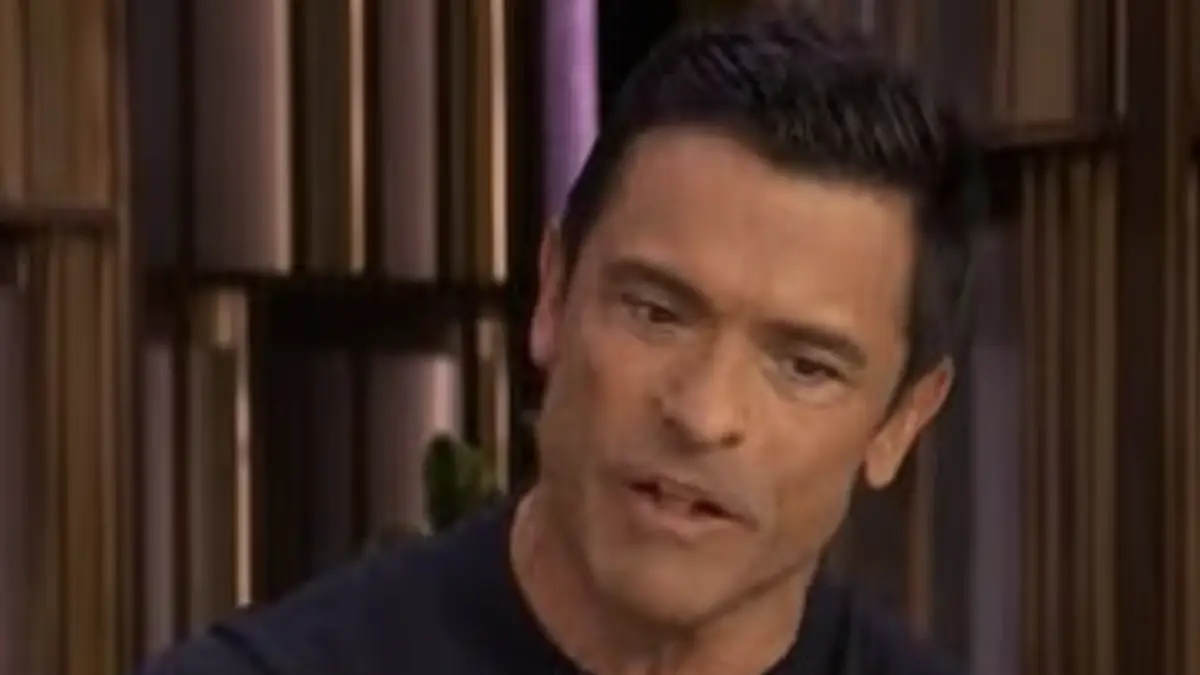
Kelly Ripa is temporarily stepping away from her morning television hosting duties to focus on her health. On the Monday, July 27, 2026, broadcast of Live with Kelly and Mark, her husband and co-host Mark Consuelos shared that she is recovering from gum graft surgery. The common dental procedure will keep her off the airwaves for a week while she strictly follows medical instructions. Consuelos, 55, welcomed viewers to the nationally syndicated show alongside guest co-host Kevin Jonas. Right at the start of the episode, he explained that Ripa was absent due to the operation. He noted that the recovery process requires total vocal rest, meaning his wife is temporarily restricted from speaking. "Kelly sends her love," Consuelos said during the broadcast . "Kelly had a little bit - well, it’s not a little - she had a gum graft surgery." Kelly Ripa was absent from her usual hosting duties. Credit: Live With Kelly And Mark The details of the dental procedure A gum graft is a routine periodontal treatment designed to address thinning or receding gums. According to the Cleveland Clinic , the process involves transferring healthy tissue to cover exposed tooth roots, which helps protect against further recession, minimizes tooth sensitivity, and enhances overall oral health. Ripa, 55, actually had the surgery recommended to her by a dentist half a decade ago. Consuelos remembered the exact timeline on air. "Her dentist said five years ago, 'You can do it in about five years,' " Consuelos recalled. "And she joked, 'I didn’t think I’d still be on the air in five years!' ” Kevin Jonas co-hosting on Live With Kelly And Mark. Credit: Live With Kelly And Mark A strict path to recovery Even though Consuelos reported that Ripa is doing well, she must adhere to a comprehensive list of rules to ensure proper healing. Aside from avoiding speech, her recovery guidelines include eating a soft-foods diet, avoiding the use of straws, and not pulling at her lip to check the progress of the surgical site. Jonas, 38, joked about the speaking ban, saying, "Wow. That’s got to be the hardest thing she’s ever done." Consuelos agreed, noting that his wife is an excellent conversationalist, and admitted he is doing his best to make sure she follows the rules and directions. He joked about how she managed to get a checkup from him without moving her mouth, explaining that she tilted her head downward so he could look inside without disrupting the area. When Jonas inquired if the healing process was painful, Consuelos confirmed it was. "Yeah, it’s painful," he replied. "But she famously doesn’t feel pain. When she goes into the dentist, she doesn’t use the novocaine. But this one hurts, so I know it’s bad." Kelly Ripa and Mark Consuelos have been married for 30 years. Credit: Taylor Hill / Getty Jonas then shared a story about his own wife, Danielle Jonas, having a high pain tolerance, prompting a humorous observation from Consuelos. "Well, they do have kids. They deliver kids," Consuelos replied. "We’re not built for that." Guest hosts step into the studio A representative for Live with Kelly and Mark confirmed that Ripa would remain away from the desk for the next week. A rotating lineup of famous faces will step in to assist Consuelos during her absence. Jonas returned to the co-host chair on Tuesday, July 28. For the remainder of the week, the show featured Mila Kunis on Wednesday, Pamela Adlon on Thursday, and Scott Foley on Friday. Live with Kelly and Mark continues to air on weekdays in national syndication. Featured image credit: Live With Kelly And Mark

Aug 02, 2026
Cyber Chaos: Which States' Water Systems Are Under Siege? New

Cyber Chaos: Which States' Water Systems Are Under Siege?

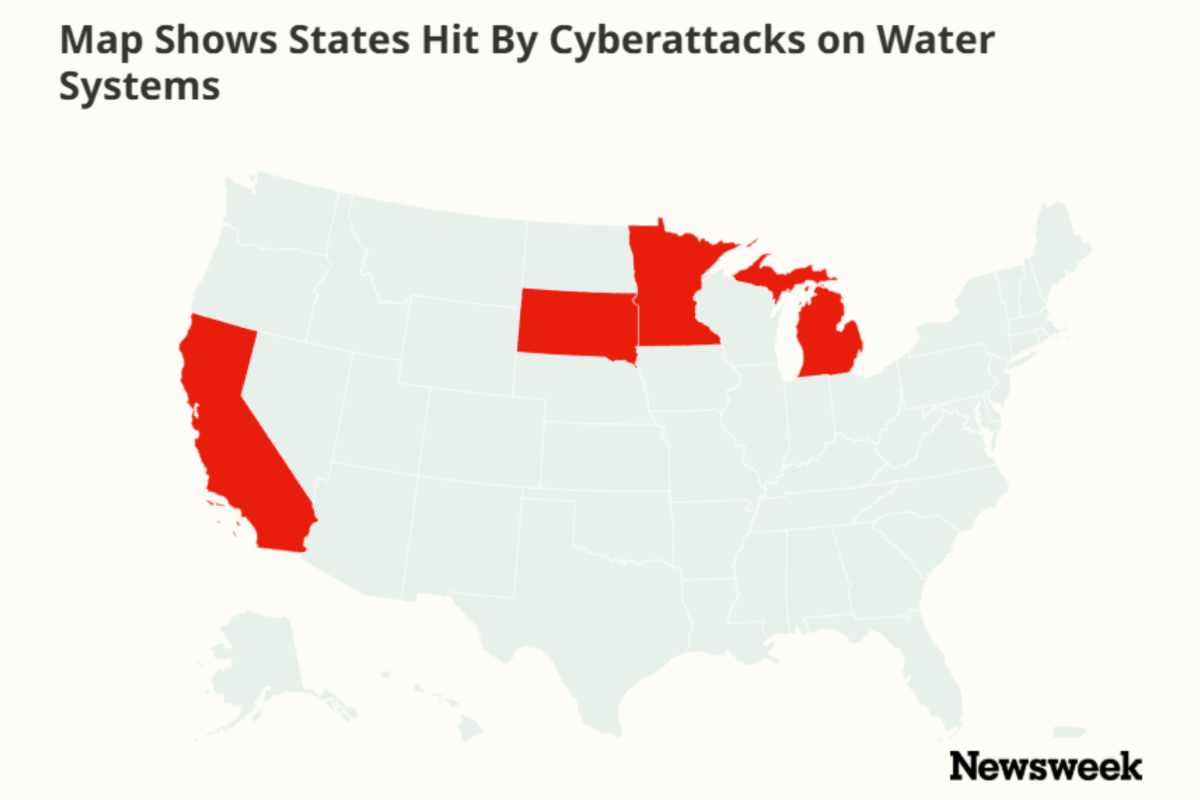
A wave of cyber incidents targeting water and wastewater infrastructure has put utilities across multiple states on high alert, as federal authorities investigate attacks that have disrupted operations and exposed vulnerabilities in critical public services.The FBI and Environmental Protection Agency (EPA) warned on July 30 that malicious cyber actors had targeted water and wastewater systems in at least seven states since July 27, 2026, causing operational disruptions and, in some cases, degrading water operations. Since then, incidents in fours states appear to match the federal warning....What the FBI SaidAccording to the FBI alert, attackers targeted internet-facing Programmable Logic Controllers (PLCs), which are devices used to monitor and control industrial equipment at water and wastewater facilities. The agency said hackers altered IP addresses and passwords, causing utilities to lose monitoring and control capabilities. Reported consequences included flooding and pressure loss in affected systems.Federal officials said water utilities reported incidents in at least seven states—at the time of reporting, the agencies haven’t identified the affected states—and urged operators to remove exposed control systems from the public internet and strengthen cybersecurity protections.Newsweek has reached out to the FBI for clarification on which states have been affected, and also the Cybersecurity and Infrastructure Security Agency (CISA) for further details about the attacks. Minnesota Reports More Than 30 AttacksThe largest publicly disclosed cluster of incidents has emerged in Minnesota.Earlier this week, state officials said cyberattacks had targeted more than 30 water systems across the state. The attacks drew national attention after President Donald Trump referenced the incidents while discussing cybersecurity threats to critical infrastructure, calling Minnesota officials "grossly incompetent."Officials haven’t publicly identified who was responsible, and investigators are continuing to examine the origin of the attacks.Michigan Water System TargetedMichigan also reported a cyber incident affecting a water system. State officials said a small number of communities reported incidents matching the tactics described by the FBI and EPA.According to reports, the Department of Environment, Great Lakes, and Energy said hackers altered settings on equipment connected to a wastewater facility. The incident was successfully contained, and authorities said there was no threat to drinking water supplies.South Dakota Incident Raises ConcernsRapid City, South Dakota, announced this week that one of its wastewater lift stations had been targeted in a cyber incident.City officials said the attack did not affect drinking water quality or public safety, but confirmed that hackers had attempted to interfere with wastewater infrastructure. The city said it had isolated the impacted systems and was working with law enforcement and cybersecurity experts to investigate. Local authorities stressed that Rapid City's water supply remained safe.California Incident Under Investigation...California has also experienced a recent water infrastructure cyber incident.In June, Government Technology reported that California Water Service (Cal Water), one of the largest water utilities in the western United States, launched an investigation after a hacking group claimed it had breached the company's systems. Investigators determined that hackers accessed one active customer's online Cal Water account using stolen login credentials, but found no evidence that the attackers penetrated the utility's internal networks, billing infrastructure, or operational technology systems responsible for water treatment and delivery.The case remains under investigation, but importantly, the utility said there were no disruptions to water service and no evidence that hackers gained access to the operational systems that control water distribution or treatment facilities.Are the Attacks Linked to Iran?...Federal investigators are examining whether the recent cyberattacks targeting water and wastewater systems across the United States could be connected to Iranian hackers, although authorities have stressed that no formal attribution has been made and the investigation remains ongoing.According to CBS News, U.S. officials are probing whether the activity could be the work of Iranian hackers, while cautioning that the assessment could change as additional technical evidence is collected. Investigators are also considering whether another actor may have attempted to mimic Iranian tactics to mislead authorities.The speculation stems in part from similarities between the latest incidents and previous campaigns that targeted American water infrastructure. The Municipal Water Authority of Aliquippa in western Pennsylvania was the target of a cyberattack on November 25, 2023, in one of the most prominent Iranian-linked attacks against U.S. critical infrastructure. This prompted warnings from federal agencies about vulnerabilities in industrial control systems used by water utilities. The FBI and EPA didn’t attribute the broader campaign to any specific country or hacking group in their July 30 alert. Instead, federal agencies are focusing on the techniques used by the attackers and are urging utilities nationwide to secure any internet-facing control systems.The question of Iranian involvement has also become politically charged. While some reports noted similarities to previous Iranian-linked operations, Trump dismissed suggestions that Iran was responsible for the Minnesota incidents, arguing that investigators had not yet established who was behind the attacks. Other States May Yet Be IdentifiedThe FBI's warning indicates that water and wastewater systems in at least seven states reported incidents, meaning additional states may have been affected beyond those that have publicly disclosed attacks.The latest incidents highlight a growing concern about the security of America's water systems, which serve millions of residents and are increasingly connected to remote monitoring and management technologies.For now, investigators are working to determine who was behind the attacks and whether the incidents reported in Minnesota, Michigan, South Dakota and California are connected to the broader campaign identified by federal authorities.Contact Newsweek editors on this story: Tobias Meyjes and Tony Phillips

Aug 02, 2026